
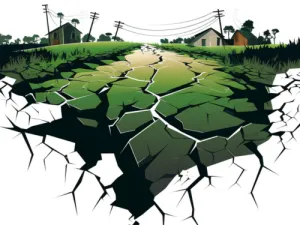

Deforestation significantly accelerates erosion by stripping away vegetative cover, including the crucial tree canopies that protect the land from wind and rain.
When trees from land are removed, roots no longer anchor the soil, leaving it highly vulnerable to runoff and making it more prone to becoming loose soil under heavy downpours. As a result, soil erosion rates increase dramatically, ultimately reducing land productivity and harming the local water supply.
Understanding how land-use change impacts the environment is essential to fighting climate change.
In this article, we’ll discuss
- How deforestation increases vulnerability to soil erosion.
- Measures to prevent soil degradation in deforested areas.
- The role of education in promoting sustainable land use.
Let’s dig in!
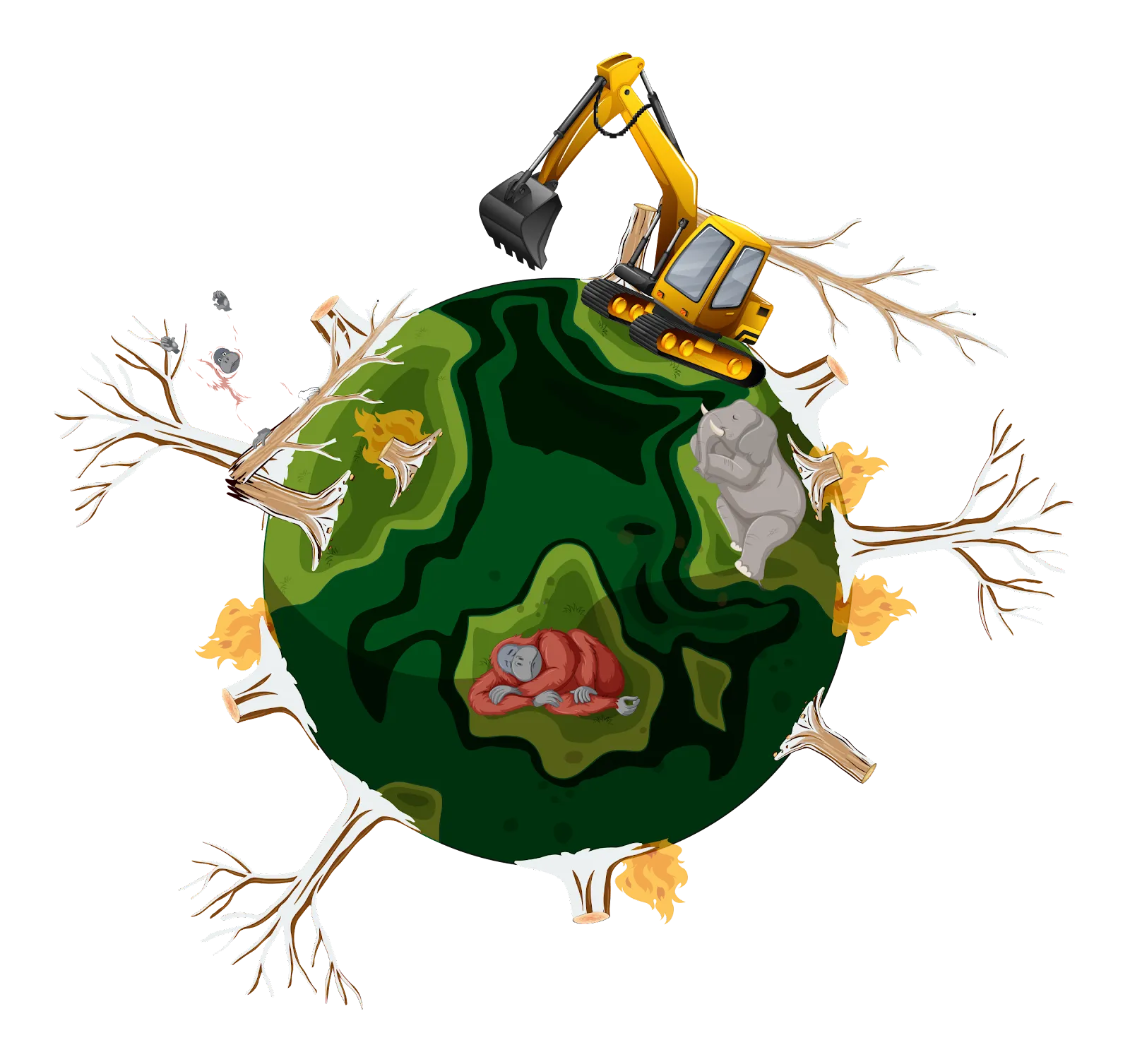
Large-scale deforestation: erosion and climate impacts
When deforestation reaches a large scale (whether for agriculture, logging, or infrastructure) the consequences intensify:
- Reduced vegetation cover: Losing natural vegetation exposes the ground to wind and rain, quickly eroding topsoil.
- Greenhouse gas emissions: Forests store organic carbon; cutting them down releases carbon dioxide (CO₂), contributing to greenhouse gas concentrations.
- Risk of desertification: Removal of tree roots and shade leads to nutrient depletion and drier soils, edging landscapes toward desert-like conditions.
- Impacts on local and global climate: Without forests, areas face disrupted rainfall patterns, more extreme weather, and diminished climate change mitigation potential.
How deforestation accelerates soil erosion
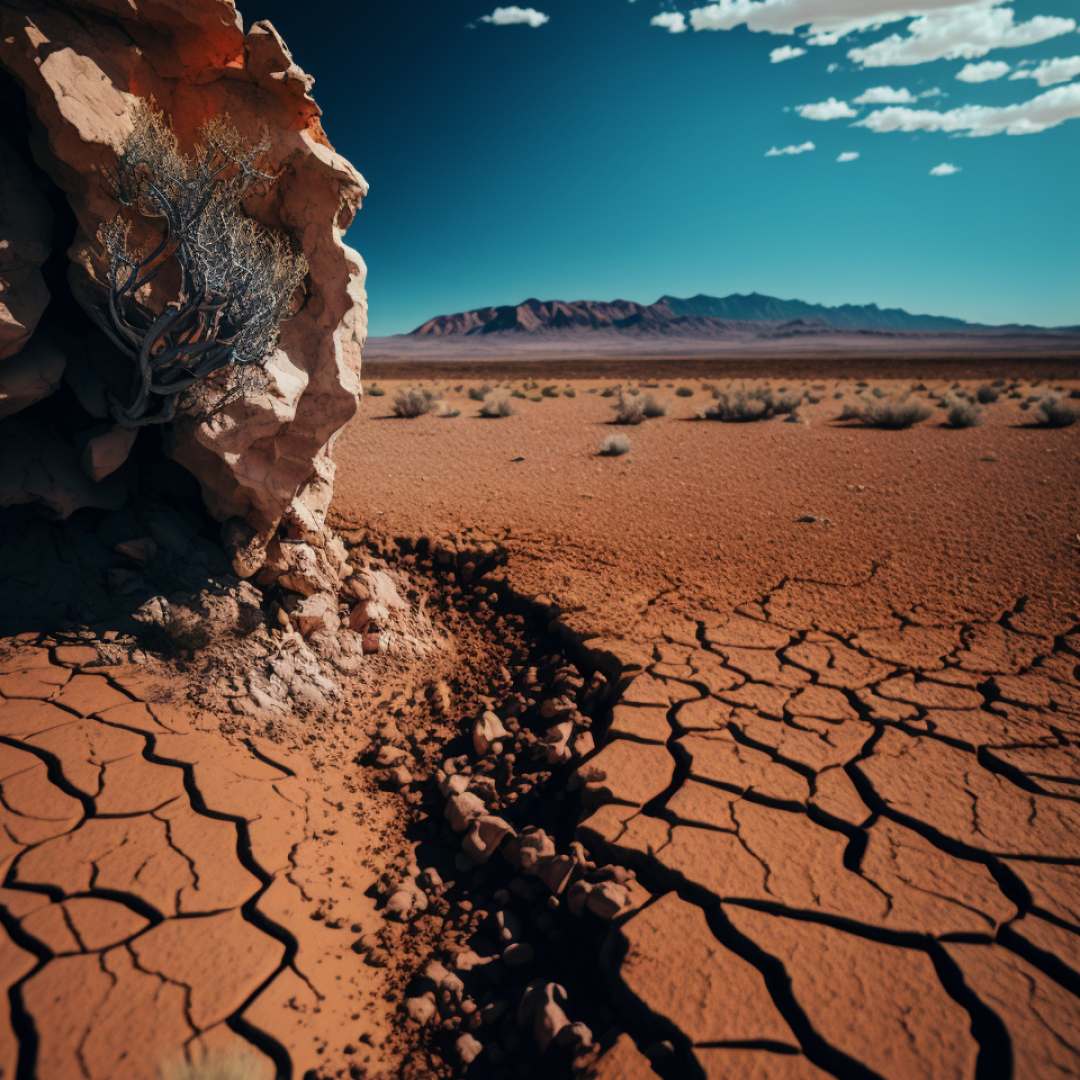
Healthy forests act as natural infrastructure that stabilises the land. Their tree canopies, undergrowth, and root networks help anchor the soil.
Loss of protective root systems and organic matter
Tree roots hold soil together and aid air circulation, while forest vegetation contributes organic matter (leaf litter and decaying wood) that boosts soil structure and moisture retention. Without these protective elements, the soil becomes looser (particularly on slopes or in drier conditions) and more prone to wind and water erosion.
Strain on hydrological cycles
Forests regulate rainfall patterns by capturing and slowly releasing rainwater. Heavy rains run off quickly without the cover of leaves and branches, carrying away fertile soil and depositing it in bodies of water.
Increased desertification risk
As degraded land expands, soils lose moisture and nutrients. This human-induced soil degradation harms agriculture and clean water sources, edging regions closer to desertification.

Causes of deforestation
Agriculture and land use
Farmers clear forests to create more land for crops, livestock, or even commercial palm oil plantations. In regions such as North America, agriculture drives extensive deforestation. Although it boosts food production, removing forests makes fertile land more susceptible to erosion.
Logging and fuelwood
Deforestation also occurs due to demand for timber (a valuable resource for construction and furniture) and fuelwood. Logging operations contribute to the widespread clearing of vital habitats, and in some tropical regions, illegal deforestation is particularly rampant. Fuelwood harvesting similarly affects areas where people rely on wood for energy.
Infrastructure and large-scale development
Projects like road construction and the installation of power lines often cut through forested areas, degrading ecosystems and accelerating soil erosion. These developments also pave the way for further forest clearance, compounding the problem.
Negative impacts on ecosystems and communities
Deforestation does more than just raise soil erosion rates – it also imposes negative impacts on biodiversity, local cultures, and food security.
Loss of biodiversity and medicinal plants
Forests host countless species integral to ecological functions (e.g., pollination and pest control). When tropical forests vanish, habitats shrink, invasive species can proliferate, and Indigenous communities lose medicinal plants crucial to cultural knowledge and healthcare.
Disruption of local water supply
Forest removal disrupts the flow of streams and rivers, reducing clean water availability. Sediments from eroded slopes accumulate downstream, increasing flood risks and degrading water quality.
Effects on climate and livelihoods
Tree cover loss means less carbon storage, aggravating global warming. Communities that rely on forest natural vegetation (like agroforestry farmers) suffer economic hardship when land productivity declines. Food production and supply chains are also jeopardised by soil erosion and desertification.
Increased flooding and sedimentation
With forests gone, the ground loses its sponge-like ability to absorb rainfall. Runoff intensifies, causing downstream flooding and piling up sediment in rivers and water bodies. Over time, this damages both ecosystems and water management systems.
Disruption of elemental cycles
Deforestation upsets the balance of carbon, nitrogen, phosphorus, and water cycles. In the absence of trees, CO₂ levels climb, nitrogen and phosphorus pathways break down, and water resources become unreliable due to altered humidity and rainfall.
Preventing further environmental damage
Although the effects are daunting, resistance to deforestation and sustainable practices can still protect soil and maintain its health in many regions.
Reforestation and sustainable forestry
Planting new trees on degraded land and using selective logging instead of clear-cutting helps replenish forests for future resources. Reforestation restores hydrological cycles, slows erosion, and stores carbon, supporting climate change mitigation.
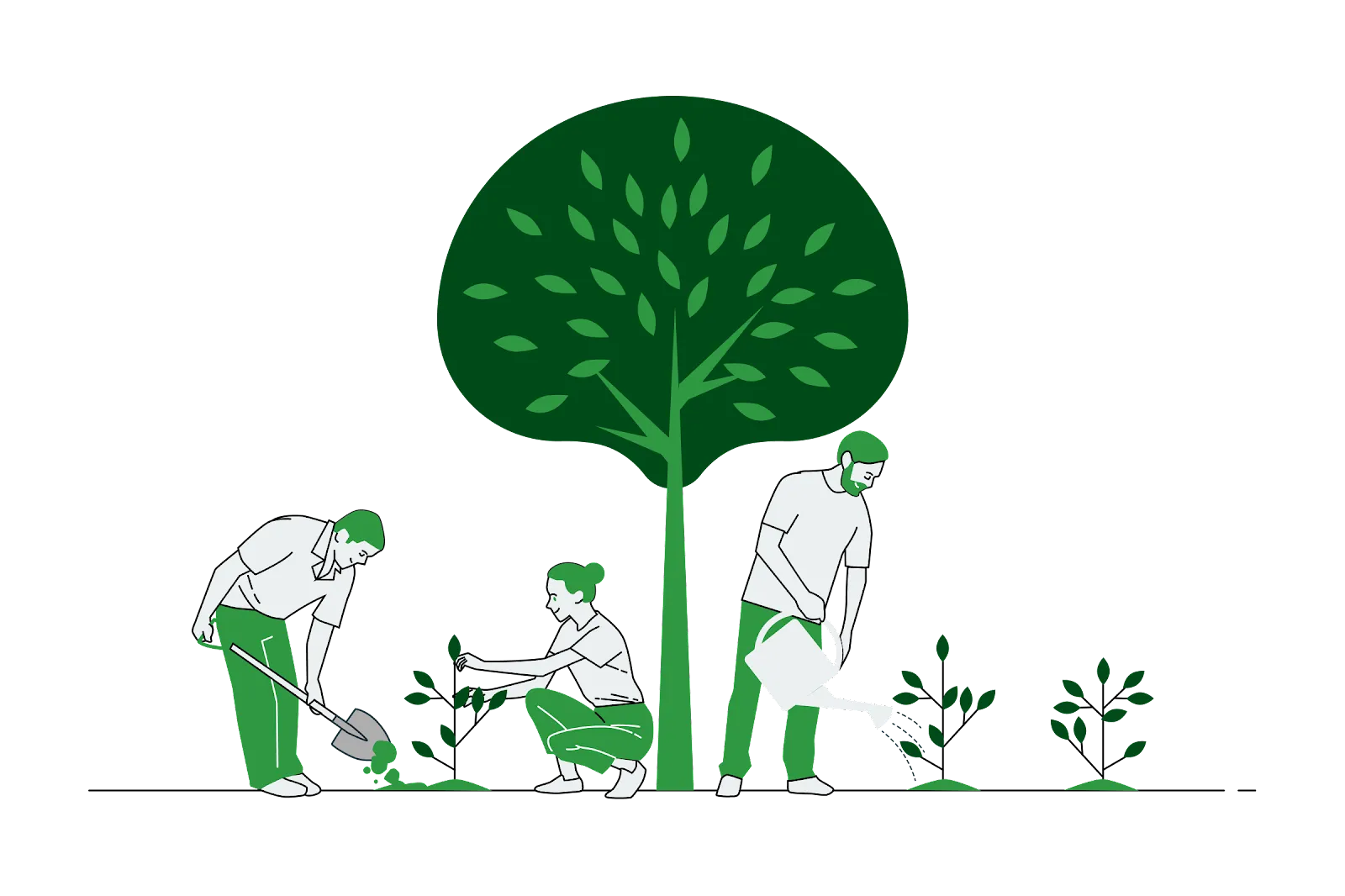
Agroforestry and conservation agriculture
Integrating trees within farmland (agroforestry) reduces erosion and bolsters food security. Techniques like contour ploughing, terracing, and minimal tillage protect topsoil and maintain bodies of water free from harmful sedimentation.
The role of education and public awareness
Empowering local land users and Indigenous communities with knowledge about sustainable farming can curb deforestation. When people grasp the direct impact on farmland and water sources, they often adopt better practices like crop rotation and responsible land clearing.
Global responsibility
Governments, businesses, and consumers must push for ethically sourced timber, palm oil, and other forest-based products. Sustainable supply chains can curb illegal deforestation, protect forest livelihoods, and lower greenhouse gas emissions.
Summing up
Deforestation (especially on a large scale) directly impacts erosion by removing the tree canopies and root systems that shield soil from wind and water. This leads to higher soil erosion rates, drier conditions, and the decline of land productivity, affecting water supply and food production.
By reducing illegal deforestation, replanting trees, and practising sustainable land management, we can preserve natural forests, sustain local and global rainfall patterns, and protect future generations from the worst effects of environmental degradation.
Related questions
Aeolian processes (wind-driven movement of soil particles) worsen with deforestation. Trees that once acted as windbreaks vanish, making soil more prone to wind erosion. An increasingly dryer environment further heightens the risk, particularly in arid or semi-arid areas.
- Primary forests possess mature canopies, thick leaf litter, and complex root networks that greatly limit erosion.
- Boreal forests (taiga) feature deep-rooted conifers that reinforce soil in northern latitudes, though thin soils here are especially vulnerable once forests are cut.
- Tropical forests, near the equator, boast dense vegetation and extensive root systems. Heavy rainfall in these areas can cause severe erosion if tree cover is lost.