


Mass migration due to climate change is intensifying
Climate change is no longer just a distant warning—it’s reshaping our world and will increase climate migration and displacement.
Natural disasters, intensified by our shifting climate, displace an alarming 21.5 million people annually.
If predictions from the World Bank Group hold, we could witness up to 143 million people seeking new homes due to the dire impacts of rising sea levels and drought.
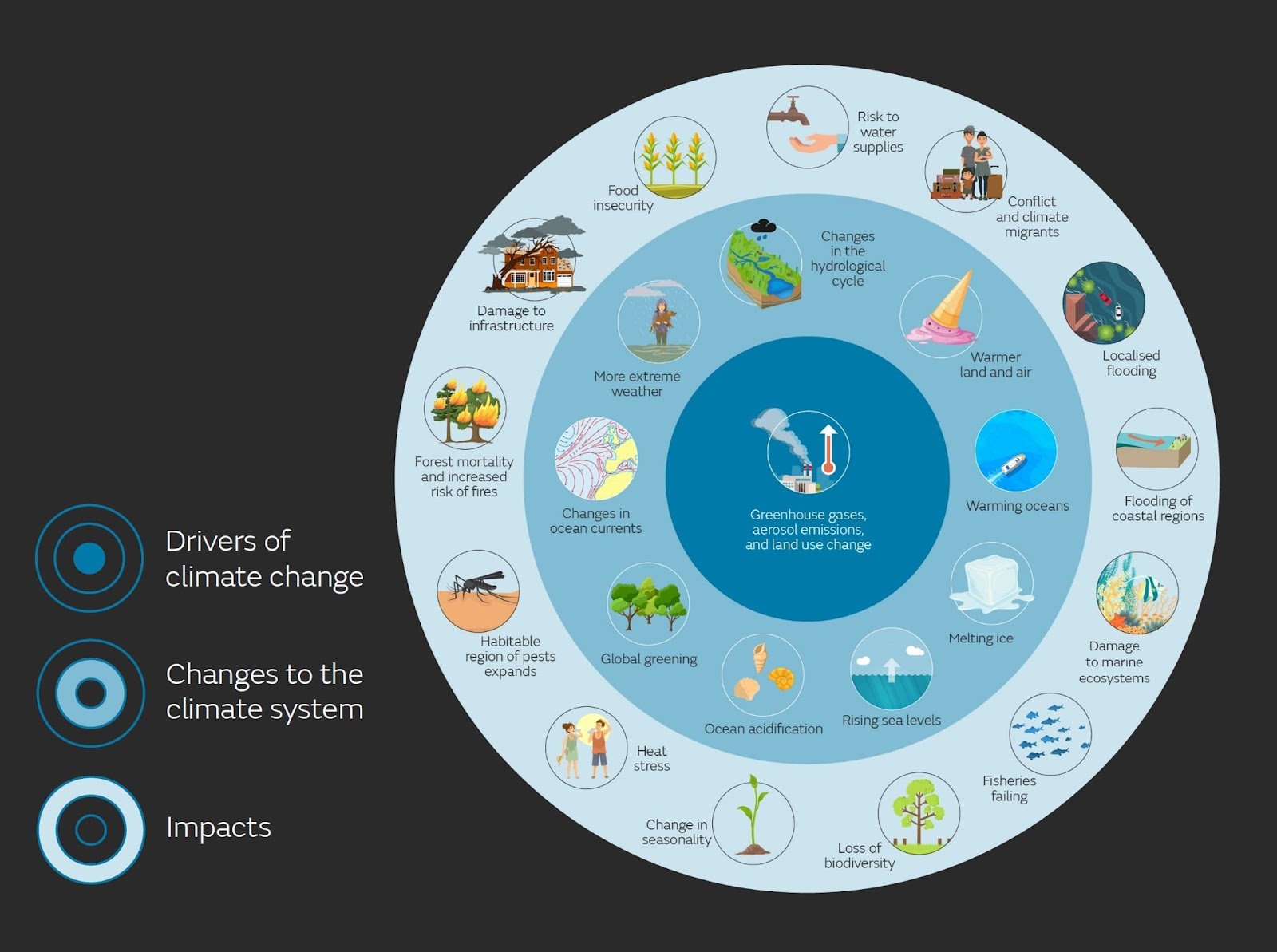
When discussing climate change, we refer to alterations in the Earth’s weather patterns that persist for extended periods. These changes encompass temperature variations, precipitation patterns, and even the frequency of certain severe weather events.
The fallout from such changes isn’t just environmental. It has profound social and economic implications.
The domino effect of these shifts in climate can undermine essentials like food, clean water, and financial stability, leading to displacement, livelihood loss, weakened governance, and in dire cases, even political unrest and conflict.
What is climate migration?
Climate migration describes the movement of people in direct or indirect response to the climate crisis.
It is essential to distinguish between temporary and permanent migration. The latter could either be an act of desperation due to deteriorating conditions or a proactive strategy to ensure better livelihoods.
The scale of climate-induced displacement is colossal. In 2022 alone, the number of forcibly uprooted individuals surpassed 100 million. Climate calamities event account for more displacements than conflict.
Staggering models suggest that approximately one billion individuals could face displacement for every one-degree rise in global temperature. In the imminent future, millions of people will either be moving or welcoming the displaced.
What are the causes?
The core catalyst of climate-induced migration is the rapid progression of global climate change, primarily attributed to human activities, especially burning fossil fuels like coal and gas.
This human-induced shift in climate dynamics became particularly pronounced with the onset of the Industrial Revolution.
Before this period, Earth’s climate experienced natural fluctuations. However, with industrialisation, the insatiable consumption of fossil fuels skyrocketed, leading to a surge in greenhouse gas (GHG) emissions.
This marked a pivotal moment when the context of climate change transitioned from a natural phenomenon to one dominated by human influence.
Years elapsed before global nations acknowledged that GHG emissions were the primary contributor.
The consequences of this delay are palpable
Climate-linked mobility now captures a spectrum of movements, from sudden extreme events like floods, droughts, and heatwaves to those spurred by slower-paced challenges like steadily rising sea levels.
In essence, climate-related migration reflects the relocation of communities confronted by both immediate and anticipated threats posed by our evolving environment.
Extreme weather events are forceful motivators, compelling individuals to voluntarily move as an adaptive response or be involuntarily displaced due to climate catastrophes.
Who does climate change migration affect?
Climate change migration, or climate displacement, is an issue that casts a wide net, ensnaring millions globally.
Between 2008 and 2016, sudden onset weather hazards alone were responsible for the forceful displacement of 21.5 million people annually, according to the United Nations High Commissioner for Refugees (UNHCR).
Moreover, thousands more found themselves on the move due to the gradual repercussions of climate change, the slow-onset hazards.
The magnitude of the problem is set to escalate. In the next two to three decades, we can expect tens of millions to be displaced primarily due to climatic adversities. Reflecting this grim reality, 90% of refugees under the UNHCR’s mandate originate from countries at the forefront of the climate crisis.
To understand the scope, consider El Salvador. Every year, numerous inhabitants leave their villages, failed by drought or flood-ravaged crops. Drawn to the cities, they often find themselves caught in the crosshairs of gang violence. This new danger then drives them to flee their country altogether.

So, who exactly are these climate migrants?
Primarily, they are individuals who, due to a climatic ordeal like drought or sea-level rise, lose their homes or means of livelihood.
The majority tend to relocate within their country’s borders, often migrating from rural zones to urban areas.
However, as cities grapple with climate-induced challenges, such as severe heatwaves and water scarcity, many cross international borders in pursuit of safety.
Despite the growing magnitude of the issue, a significant challenge they face is legal recognition. The 1951 Refugee Convention, which offers legal protection to refugees, excludes climate-displaced people.
This convention restricts its safeguards only to individuals escaping persecution related to race, religion, nationality, political opinions, or particular social groups.
Climate migrants, also termed “environmental migrants,” are those forced to leave their usual homes due to environment-linked changes, be they sudden or gradual.
Whether their movement is temporary or permanent, within national borders or beyond, their plight remains unrecognised in many legal frameworks.
Why climate displacement matters
Addressing the intersection of climate change and migration is vital for several reasons:
- Humanitarian Concerns: Climate-induced migration is not just about numbers or demographics; it’s about real lives. Those affected are often the most vulnerable, facing arduous journeys, loss of homes, and shattered livelihoods. Ignoring the issue means neglecting a mounting humanitarian crisis.
- Geopolitical Stability: As regions like Latin America, South Asia, and sub-Saharan Africa experience increasing climatic disturbances, there’s a potential for significant internal and cross-border migration. This movement can create regional tensions, placing pressure on resources and potentially causing conflicts.
- Urbanisation Challenges: Megacities like Dhaka and Lagos, already grappling with infrastructural challenges, may see a vast influx of climate migrants. This can strain urban services, making providing basic amenities like water, housing, and healthcare difficult.
- Economic Impacts: Climate migrants, while trying to recover from their losses, often face exploitation, leading to further socio-economic disparities.
Journeys forced by nature: real-world episodes
Climate migration is not a hypothetical future scenario; it’s unfolding in real time. Across the world, millions are being pushed from their homes due to environmental challenges exacerbated by climate change. Here are some mind-blowing examples:
Bangladesh
Bangladesh is a clear example of the impact of flooding. A 2008 study illustrated the magnitude of the problem, highlighting that 22% of households hit by tidal surge floods and another 16% affected by riverbank erosion sought refuge in urban zones.
Honduras
Recent intelligence assessments by the U.S. government have pinpointed Honduras among 11 nations of utmost concern. This stems from climate change’s vast, cascading effects on global stability.
Mozambique
The impact of Tropical Cyclone Idai in 2019 was nothing short of devastating. Striking the southeast coast of Mozambique, it needed aid for 1.85 million people. With 146,000 internal climate migrants displaced and an infrastructure damage bill hitting $1 billion, the challenges faced by Mozambique are emblematic of climate-induced crises worldwide.
Global Displacement in 2017
The year 2017 saw a record-breaking 68.5 million people forcibly displaced. A third of these (22.5 to 24 million) had to move because of “sudden onset” weather events. But climate change doesn’t only manifest in sudden calamities.
The Pacific Islands
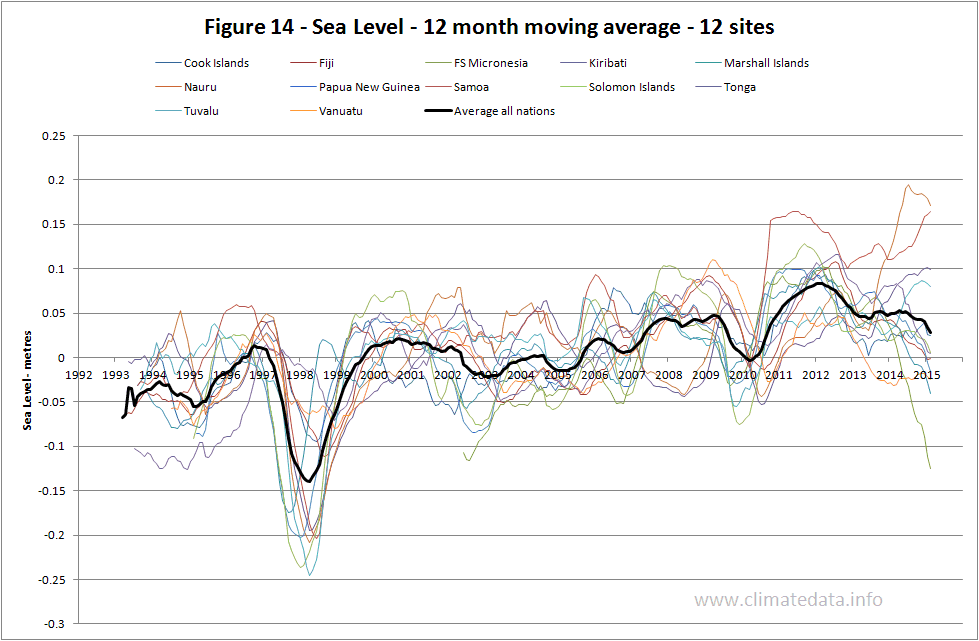
If ever there was a poster child for climate-induced migration, it’s the Pacific Islands. Here, climate change isn’t just a factor—it’s often the sole reason for migration.
Already, eight islands have been swallowed by rising sea levels, with two more on the verge. By 2100, this count could rise to 48. A family from Kiribati even sought refuge in New Zealand in 2015, citing climate change as the primary reason.
What is being done to prevent climate-related migration?
The growing challenges of climate-induced migration are being increasingly recognised at international, regional, and national levels, prompting a range of responses:
Recognition of the challenge
It’s clear that climate change will profoundly influence migration patterns, both internally and internationally. Despite the magnitude, the international system is currently unprepared to address the challenges.
UNHCR’s legal guidance
No country currently offers asylum specifically for climate migrants. However, in a groundbreaking move in October 2020, the UNHCR provided legal guidance that might pave the way for protecting those displaced by global warming.
National initiatives
Some nations are stepping up to provide refuge for climate migrants:
- Argentina introduced a humanitarian visa for those displaced by natural disasters from regions like Mexico, Central America, and the Caribbean, granting them a three-year stay.
- The United States took a significant step on February 9, 2021, when President Biden signed Executive Order 14013. This order mandates preparing a report, marking the first official recognition by the U.S. government of the link between climate change and migration.
Calls from stakeholders
Many are urging governments to:
- Design safe migration pathways.
- Integrate human mobility into climate change adaptation and disaster risk reduction plans.
- Recognise the intricate connection between health, migration, and climate change, calling for more research on this nexus.
- The Migration Network Hub has launched a platform to foster interactions on these crucial topics, especially in the lead-up to COP 26.
The Role of IOM
The International Organisation for Migration (IOM) is pivotal in addressing environmental migration. Collaborating with its member states, observers, and partners, the IOM aims to position environmental migration at the core of international concerns.
The IOM has charted out strategic objectives:
- Develop Solutions for People to Move: Addressing migration management in light of climate change, environmental degradation, and natural disasters.
- Develop Solutions for People on the Move: Providing assistance and protection to migrants and displaced persons impacted by environmental challenges.
- Develop Solutions for People to Stay: Enhancing resilience and addressing the environmental factors pushing migration, making migration a genuine choice rather than a compulsion.
What else could be done in response?
Addressing the growing challenges of climate-induced migration requires a multifaceted approach.
Recognising the interconnectedness of environmental change and migration is the first step towards building resilience.
Here are some potential courses of action to consider:
International policies and coordination
- At the international level, policymakers should prioritise climate mitigation and adaptation funding mechanisms, considering migration as a resilience-building measure.
- The United Nations Framework Convention on Climate Change and similar long-term initiatives must highlight the intricate ties between global environmental shifts and migration.
- Solutions aren’t singular but require concerted efforts from national governments, integrating insights from diverse experts. It is pivotal to have the involvement of civil society actors and affected communities, as they often possess invaluable knowledge about their conditions and needs.
Urbanisation and development
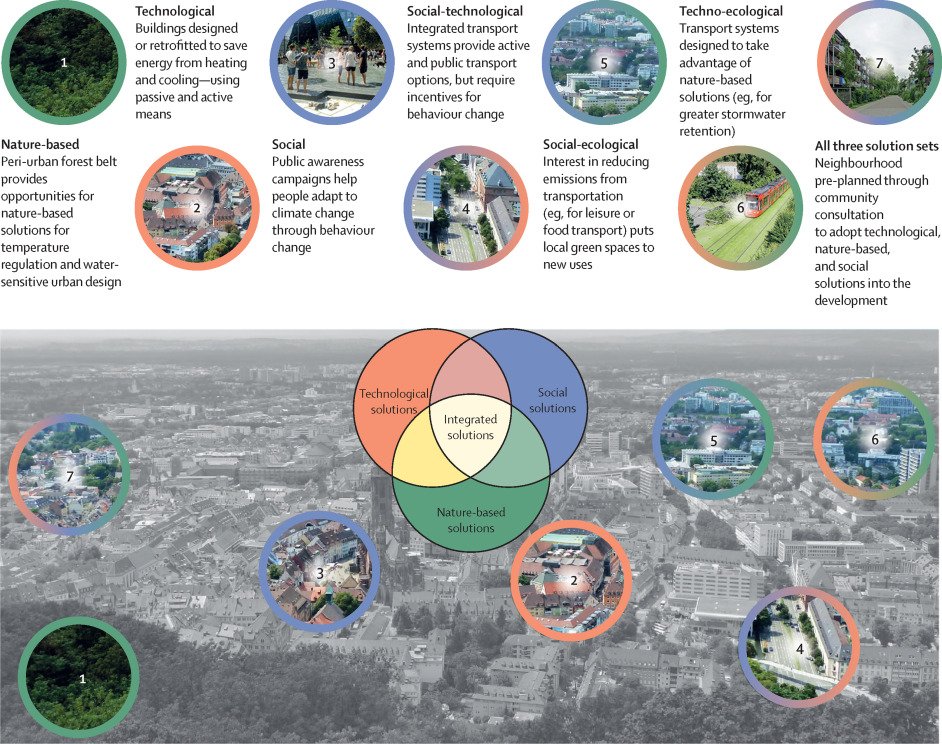
- Sustainable urbanisation, climate-smart development, conflict resolution, and emergency preparedness are pivotal. These actions should be designed considering the increasing tendency for people to migrate due to environmental factors.
- Cities are key players in this equation. Planners should ensure flood control, water availability, and weather forecasting capacities, especially with the urban population’s rise.
Legal and policy frameworks
- Some experts advocate for reforms such as updating the 1951 Convention to include provisions on climate migration or even creating a new Climate Refugee Convention.
- Key policies should focus on facilitating regional free movement, given that most climate-induced migration remains regional. Implementing existing protocols and ensuring climate-vulnerable populations have rights and access to safe territories are essential.
- Three primary pathways can provide protective stays in third countries: humanitarian routes, family reunification, and labour visas.
Migration as a response to climate change can be transformative for affected households.
Yet, its full potential will only be realised with a comprehensive, coordinated, and compassionate approach that leverages all stakeholders’ insights.
How can we prepare?
As the effects of climate change increase, regions and countries need to anticipate the surge in climate-driven migration and make necessary preparations:
Anticipating displacements to the global north
With rising sea levels and increasing occurrences of extreme weather events, the global north must be ready to accommodate and support people displaced from vulnerable regions.
Recognise urban vulnerability
It’s essential to understand that migration doesn’t solely move people away from environmental risk areas; they often move towards them.
Megacities such as Dhaka and Lagos, located in delta and coastal floodplain regions, exemplify this trend. With their rapid growth, these cities are set to place hundreds of millions at flood risk by 2060.
Identifying the most vulnerable regions:
Latin America, South Asia, and sub-Saharan Africa are most susceptible to climate change’s detrimental effects.
These areas are forecasted to witness significant cross-border and internal migration escalations. Considering that more than half of the developing world’s population resides in these regions, and many inhabit areas already grappling with climate-driven migration crises, the scale of potential displacement is immense.
Beyond the horizon: key insights and projections on climate-induced migration
Complex climate-migration nexus
Migration due to climate change is multifaceted. While climate change undeniably influences human mobility, several other factors come into play. Pinpointing a direct causality between climate change and migration is intricate.
Necessity for holistic action
The intricacy of the issue shouldn’t deter proactive measures. Any preparation must consider the comprehensive spectrum of affected policy areas, ensuring none are overlooked.
Migration patterns
Primarily, migration remains internal, typically occurring in rural-urban circular patterns. However, international migration might become inevitable for certain populations like those in Small Island Developing States.
Regional nature of cross-border migration
When migration does cross borders due to persistent climate shocks, it usually remains within the region. The notion of a massive influx of international “climate refugees” requires scrutiny.
International protection gaps
The current international refugee system is not designed to accommodate those displaced purely by climate. Novel strategies, such as adapting labour migration options, are crucial for addressing these emerging challenges.
Challenges in prediction
Forecasting climate-affected migration is fraught with difficulties due to various unpredictabilities and challenges in climate and migration modelling.
Involuntary immobility
The climate crisis could paradoxically lead to reduced migration in certain areas. In some regions, “distress migration” is a reality, with individuals fleeing untenable conditions.
Relocation support is essential
As the effects of climate change exacerbate, more individuals will need assistance in relocating. A proactive, culturally sensitive approach is required to reduce future vulnerability and costs.
Migration as a form of climate adaptation
Migration can serve as a buffer against climate change impacts, allowing individuals to support their original communities through remittances, which can be invested in various adaptive measures.
Urban preparedness is crucial
The influx of migrants into urban areas, especially in regions prone to climate hazards, could strain city infrastructures. Collaborative planning involving local governments, communities, the private sector, and international actors is vital to anticipate and address these challenges.