

Advantages of Agroforestry:
- Soil fertility and crop yields: Trees enrich the soil and improve crop productivity by enhancing nutrient cycling.
- Farm productivity: Diversified income from crops, timber, and livestock improves economic stability.
- Climate resilience: Agroforestry enhances farm resilience to extreme weather and reduces soil erosion.
- Ecosystem preservation: Provides habitats, supports biodiversity, and reduces pollution.
Disadvantages of Agroforestry:
- Initial investment: High upfront costs for planting and equipment.
- Management complexity: Balancing the needs of crops, trees, and livestock requires specialised knowledge.
- Crop competition: Trees and crop fields may compete for resources like sunlight and water.
Agroforestry combines agriculture and forestry to create sustainable farming systems that benefit both the environment and local communities. While it offers advantages like improved biodiversity and soil health, it also presents challenges like complex management and potential crop competition.
We’ll be going over the following and uncover the pros and cons:
- How does agroforestry improve land productivity and income?
- What are the ecological benefits of integrating trees with crops?
- What challenges do farmers face in adopting agroforestry practices?
Let’s dive in!
What is agroforestry?
Agroforestry merges agricultural lands and forestry to create an integrated approach. It can work as an effective solution to deforestation in North America, East Asia, the Middle East, and beyond.
Growing trees and crops or keeping animals on the same plot creates a mutually beneficial system combining cultivation and forestry.
This method of sustainable agriculture has the potential to provide both ecological and economic benefits, supporting farming communities while contributing to a healthier planet.
However, despite these benefits, agroforestry also poses unique challenges. By managing a mixture of trees, farmers must be prepared to navigate the complexities of diversity and agroforestry on ecosystem services that come with integrated landscapes.
Woody perennials on agricultural lands
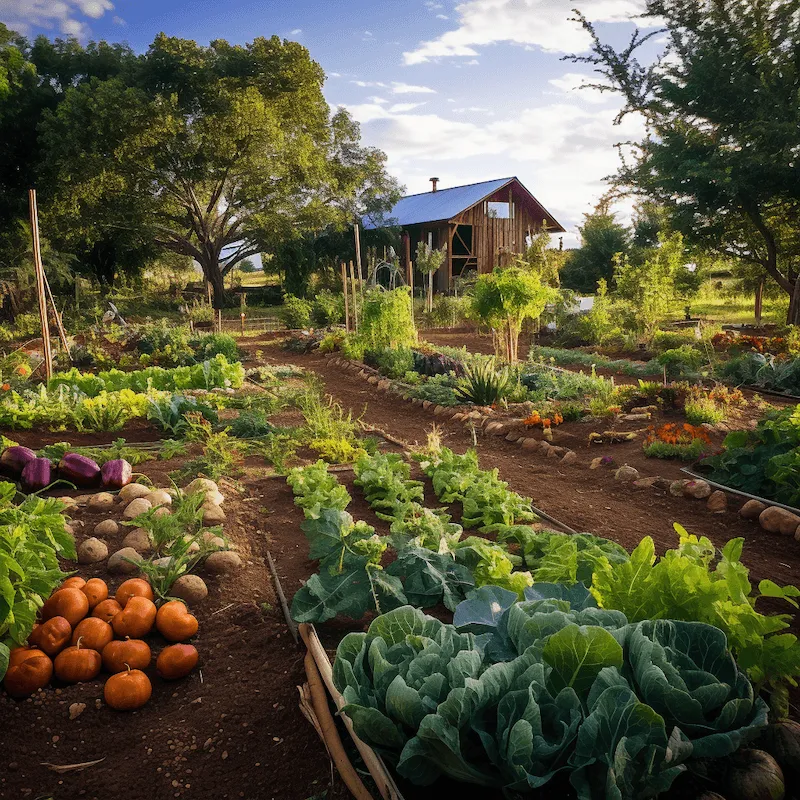
Agroforestry integrates deep-rooted trees, shrubs, and crops, creating a system that utilises natural resources more effectively than traditional farming or forestry alone. This agroforestry policy interventions approach can help increase biodiversity and sustainability on the land.
Notable applications include:
- Forestry crops grown in tandem with food for animals (like fodder tree species).
- Lines of vegetation can be used to create contour strips or building terraces on slopes, stabilising soil and aiding water management.
Forestry and agriculture synergy
- Forestry: Involving the management and conservation of natural or planted woodlands, which can produce timber, building poles, or other resources.
- Conventional agriculture: The science of cultivating land and raising crops, often focusing on single-species crop production.
In agroforestry, these two fields collaborate, merging an environment for crops and trees that can thrive together.
Agroforestry methods vs traditional agriculture
Conventional farming practices often focus solely on food crops or livestock, potentially leading to fragile soils and land degradation. Agroforestry intervention provides a buffer in times of climate stress or market fluctuations by integrating:
- Trees and shrubs, which can protect and enrich soil.
- Alley cropping (or sometimes referred to as crops between hedgerows), where farmers plant crops from wind-protected zones to enhance yields and reduce soil erosion.
- Fallow with alley cropping techniques that permit soil to recover while still providing a benefit of crops planted in designated rows.
History and development
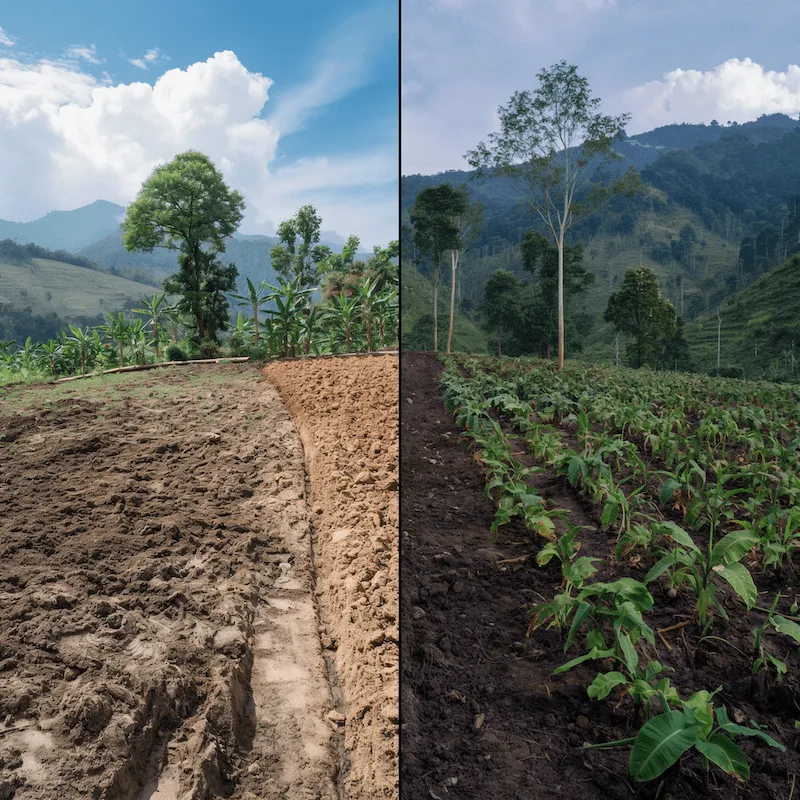
Historically, agroforestry has roots in indigenous practices that have been modernised over time. These systems are shaped by the understanding that agriculture and primary forests can coexist and benefit one another.
Over the centuries, observational studies across regions like Burkina Faso, Latin America, and East Africa have informed current best practices.
Agroforestry has evolved but always retains its core: the harmonious integration of tree and crop cultivation.
Key components
A staple of agroforestry systems is their diverse components, each contributing to a resilient agricultural environment. Key elements include:
- Forest farming: Cultivating medicinal plants, edible, or decorative products under the tree canopies.
- Silvopasture: Combining tree growing with livestock grazing; livestock gain animal fodder from tree leaves, while partial shade from deep-rooted trees improves welfare.
Environmental benefits
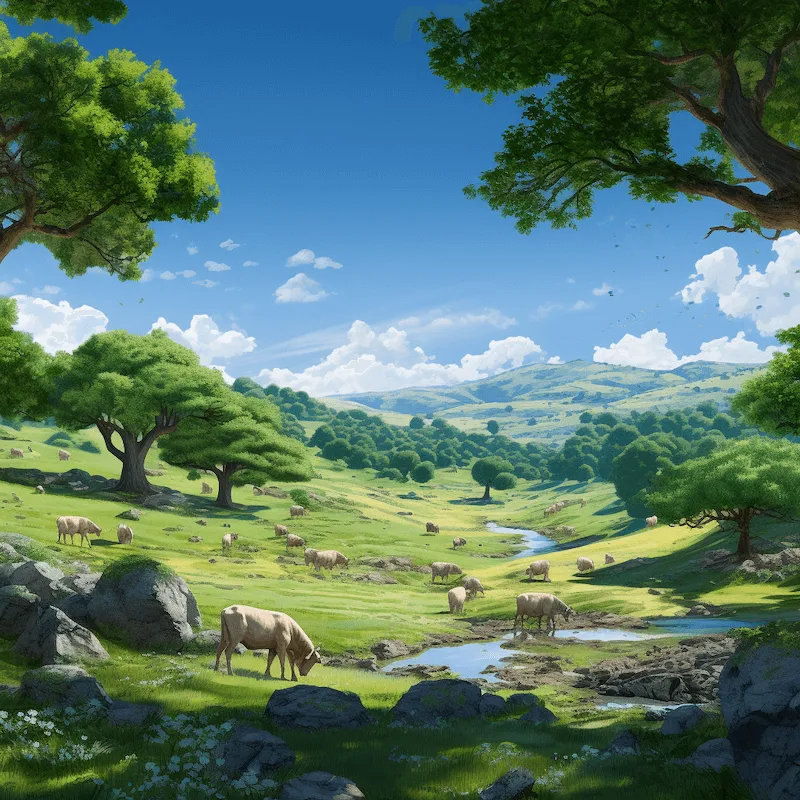
The environmental benefits of agroforestry are vast, ranging from enhancing biodiversity to substantial carbon sequestration.
Biodiversity and wildlife conservation
Agroforestry systems provide a mosaic of habitats within agricultural landscapes. They support herbaceous plants in the lower strata and taller tree canopies above, fostering a diversity of plants.
This is crucial for pollination services, pest control, and preserving habitat for species that may otherwise be lost in monoculture systems.
Soil health and conservation
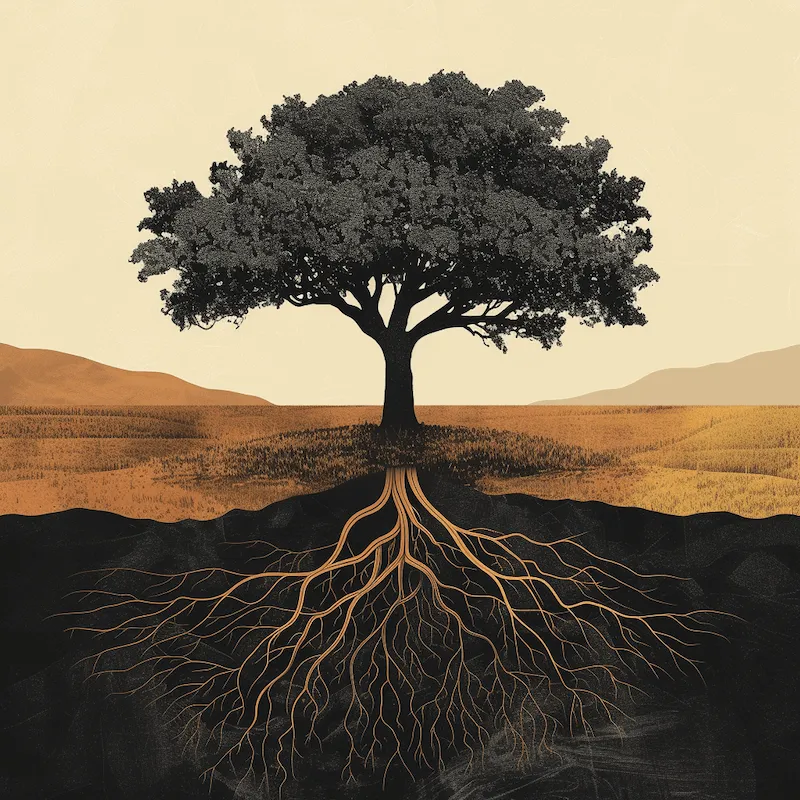
The roots of agroforestry’s approach lie deep within the soil. By having deep-rooted trees interact with food plants or perennial crops, farmers can:
- Curb soil erosion and degradation.
- Enhance the micro-climate conditions and soil structure for root development.
- Maintain a carbon sink

Climate change mitigation and carbon sequestration
Agroforestry stands as a stalwart against climate change. It capitalises on the ability of trees to store carbon by
- Sequestering carbon in biomass and soil.
- Acting as a buffer for temperate and tropical climates, shielding crops from harsh weather events.
Water quality and watershed management
These systems excel at water conservation, filtering pollutants through multiple canopy layers and robust root networks. Farmers can also reduce run-off, retain soil moisture, and recharge groundwater by planting deliberate cropping arrangements – such as crops between hedgerows.
Economic advantages
Agroforestry provides economic benefits through diverse income streams and efficient land use, building a strong foundation for long-term prosperity.
Diversification of income
Agroforestry permits farmers to cultivate a diverse mix of food crops, medicinal plants, and fodder tree species, thus ensuring multiple revenue streams. This can be particularly significant in regions prone to instability or market fluctuations, acting as a financial buffer against sudden losses in a single commodity.
For instance, while trees mature, farmers can harvest annual crops or graze livestock, creating multiple income streams.
Optimising land productivity
Farmers can exploit their land’s full potential by intercropping trees with agricultural crops. Temperate agroforestry systems often see success by pairing shade-tolerant plants beneath taller canopies. In addition, crops for water-efficient agriculture are placed strategically to minimise drought stress, thereby extending the cropping period and overall productivity.
Long-term financial sustainability
Investment in trees may be higher initially but can yield significant returns over time. Trees can be harvested for timber, fodder, or fruit. In addition, well-established agroforestry on ecosystem services frequently receives support from government agencies like the Department of Agriculture, which recognises its role in revitalising rural economies.
Social and cultural impacts
Agroforestry practices are intertwined with rural communities’ social fabric and cultural heritage, shaping their development, sustaining their livelihoods, and preserving traditional knowledge.
Community development
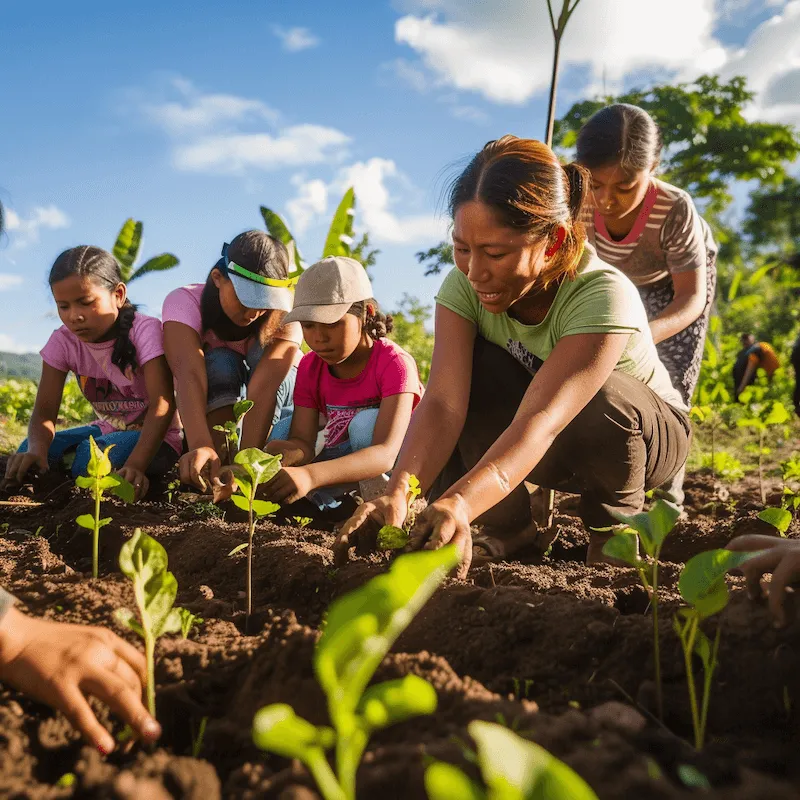
Agroforestry fosters community development through shared efforts and knowledge exchange. In many household gardens or kitchen gardens, families grow food for animals alongside herbaceous plants for daily consumption. This practice encourages agroforestry traditions passed down through generations, often helping secure sustainable livelihoods in East Africa and Latin America.
In areas where trees and crops coexist, local economies can diversify, creating different forms of income and enhancing community resilience.
- Integration with local systems: Through agroforestry, communities revitalise their historical connection to the land, honouring traditions while integrating with modern agricultural practices.
- Enhanced opportunities: Local inhabitants benefit from improved access to education, markets, and innovations relevant to agroforestry.
Agricultural traditions and knowledge
Primary studies show that temperate climates also benefit from these time-tested approaches, as farmers adapt them to local conditions. The impacts of agroforestry practices can thus bridge ancestral wisdom with modern techniques, ensuring food plants remain central to cultural heritage.
- Preservation of heritage: Agroforestry helps conserve traditional agriculture’s history, maintaining its relevance in today’s society.
- Transmission of knowledge: Essential skills and agricultural techniques are passed down, ensuring the longevity of cultural practices.
Food security and livelihoods
An important outcome of agroforestry is the enhancement of production of food and dietary variety. By intercropping with perennial crops and managing crop pests through natural predators housed in tree canopies, communities experience greater resilience. In regions like Burkina Faso, agroforestry intervention has been linked to improved harvests and better food security.
Practices and methods
Agroforestry systems weave together diverse elements, much like a tapestry, to create a multifunctional landscape.
They utilise the strengths of various agricultural and forestry practices to enhance productivity, environmental sustainability, and resource utilisation.
Silvopasture and animal integration
Silvopasture combines forestry and grazing livestock on the same land. This method offers:
- Shade for animals, improving their welfare
- A diversified income through fodder, wood, and timber sales
It requires careful planning to ensure compatible tree species offer shelter and forage while not hindering livestock movement.
Forest farming and multipurpose forestry
Forest farming involves growing non-timber crops under the canopy of existing woodlands. They typically focus on:
- Shade-tolerant crops such as medicinal herbs or mushrooms
- Wood production without compromising the growth of understory crops
This approach enhances biodiversity and can provide multiple revenue streams from the same piece of land.
Alley cropping and intercropping
Alley cropping involves planting rows of trees or shrubs alongside crops, creating productive “alleys”. Here, different plants are managed together to:
- Improve crop yields by providing microclimates
- Reduce soil erosion with tree root systems
Crops gain benefits from the trees and vice versa, for example, through nitrogen fixation.
Shelterbelts and windbreaks
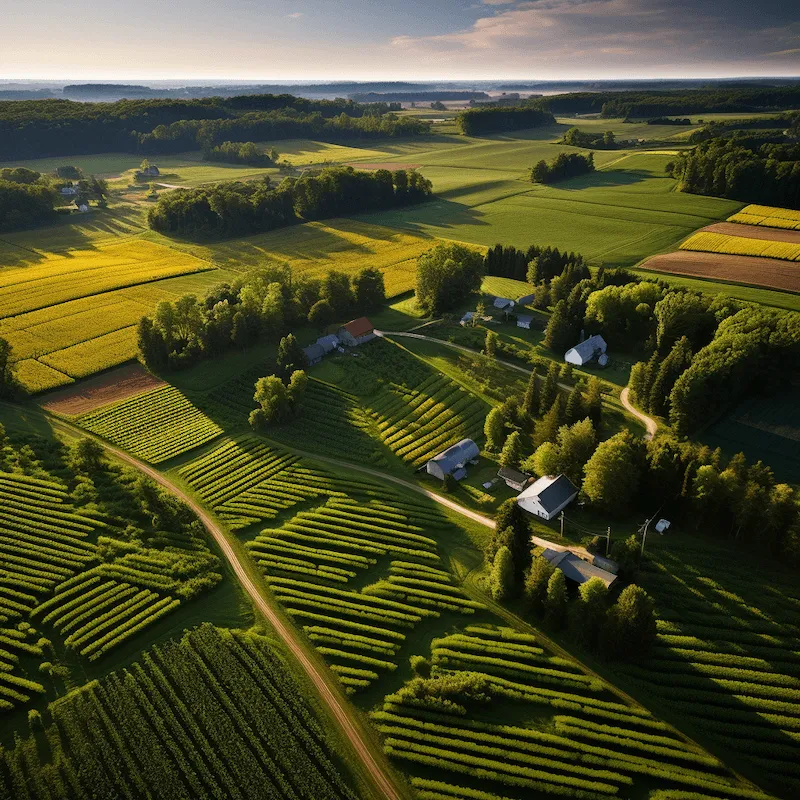
Shelterbelts and windbreaks protect fields from wind damage and can comprise single or multiple species of trees and shrubs.
Their strategic planting around farmland provides:
- A barrier against strong winds, protecting crops
- Habitats for wildlife, fostering ecological balance
They’re a practical addition to farming lands, mitigating wind impacts and contributing to conservation efforts.
Advantages of Agroforestry
Soil fertility and crop yields
- Nutrient-rich soil: Trees contribute to the soil’s nutrient cycle, reducing the need for chemical fertilisers.
- Higher yields: Tree shade and root systems can enhance benefit of crops planted in appropriate densities.
Farm productivity and efficiency
- Diverse income streams: Farmers benefit from a range of products such as food crops, timber, fodder, and forestry crops.
- Reduced costs: Utilising trees can lead to lower inputs in terms of fertilisers and pesticides.
Resilience against environmental stress
- Climate resilience: Deep-rooted trees protect lower-growing species from weather extremes.
- Reduced soil erosion: Improved root structures minimise run-off.
Preservation of natural ecosystems
- Wildlife habitat: More habitat for species across 3-4 vertical canopy layers.
- Pollution reduction: Trees filter contaminants, improving overall land health.

Challenges and disadvantages
Sustainable land management brings unique challenges, often requiring substantial initial investment and a complex transition period.
This section details some hurdles, including management difficulties and potential wildlife conflicts.
Initial investment and transition period
- Financial commitment: Transitioning to agroforestry often requires a significant upfront investment in trees and equipment.
- Long payoff: One must anticipate a long-term view of returns. Trees require time to mature, delaying returns.
Complexity of management
- Multi-faceted approach: Effective management must juggle the needs of both crops, livestock and tree canopies. This complexity transcends traditional farming techniques.
- Knowledge-intensive: A deep understanding of intercropping and the ecological dynamics of multiple species is needed.
Risk of crop competition
- Resource sharing: Competition with crops can reduce yields if improperly managed. Trees and crops compete for sunlight, water, and nutrients, which can compromise agricultural yields.
- Spatial planning: Proper spacing is critical to protect individual species’ growth and must be planned meticulously.
Potential conflicts with wildlife
- Habitat creation: While agroforestry can enhance biodiversity, it also invites wildlife, which may pose a risk to crops and livestock.
- Fencing: Separating areas with fencing can mitigate some risk, but it’s an added expense and management challenge.
Integrating trees, crops, and sometimes livestock offers several ecological and economic benefits.
However, it also introduces complexities not present in traditional agriculture. These challenges must be carefully considered and addressed to ensure a successful and beneficial system.
Future prospects
The future of agroforestry hinges on its capacity to adapt to climatic challenges, sustain yields while providing ecosystem services, and evolve through scientific innovation.
Adaptation to climate variability
Agroforestry shows promise in combatting the effects of climate change on landscapes and gardens. It offers a dynamic way to store carbon and prevent deforestation, both critical in moderating climate variability.
Integrating trees with crops improves the resilience of food production systems, providing a buffer against extreme weather conditions.
Sustainable production and ecosystem services
Sustainable agriculture, as practised in agroforestry systems, secures livelihoods while maintaining the ecosystem’s health. These systems deliver:
- Enhanced biodiversity
- Improved water management
- Natural soil fertility
By aligning with ecological principles, agroforestry helps sustain diverse production models and supports the ecosystem services upon which humanity relies.
Advancements in agroforestry science and studies
Science is continuously advancing as researchers develop better practices for sustainability.
Not only does this field hold the key to more sustainable livelihoods, but it also actively pushes the boundaries of agricultural science, focusing on
- Effective adaptation strategies
- Methods to maximise carbon storage
- Reduction in deforestation impacts
Scientific progress paves the way for innovative practices, further embedding it as a crucial component of sustainable food production.
Summing up
In agroforestry, the symbiosis between crop production and tree canopies is evident. Together, they blend the best traits of agriculture and forestry to balance yield with environmental benefits, creating sustainable agroforestry systems.
While it offers:
- Improvement of soil fertility and reduced erosion.
- Diverse production of food and economic returns.
- A sustainable tool for climate resilience.
…it also involves:
- Investment in trees and a more extended cropping period before financial returns.
- Complex management with potential competition with crops and wildlife issues.
Nevertheless, continued agroforestry policy interventions, scientific research, and community engagement promise to make these integrated approaches even more viable. From Burkina Faso to Latin America, East Africa, and temperate climates worldwide, the impacts of agroforestry practices are reshaping how we view cropland and forests—together—as a single, thriving system.
Benefits
- Enhances soil fertility
- Supports water management
- Encourages wildlife habitats
- Provides diverse products
- Aids in poverty reduction
Yet, challenges persist in the form of managing complex systems and potentially slow initial financial returns.
Challenges
- Complex management needs
- Longer term to financial fruition
- Requires specialised knowledge
- Risk of crop competition
- Potential conflicts with wildlife