


If I were a world leader today, resource efficiency would be my top mission. Our planet faces big challenges with limited resources, climate change, and biodiversity loss. We need to protect what we have and use it better.
Think of our planet as a grand but limited feast, an abundant spread of natural and material resources, yet not an endless one. If I were entrusted with global leadership, one of my top priorities would be to safeguard this precious banquet while minimising environmental impacts.

I would focus on three key areas: reducing waste, investing in renewable energy, and creating policies that reward sustainable practices.
These simple steps could transform how we use our natural resources and help build a future where we all thrive while respecting our limited resource base.
The way we use resources now cannot continue. I have seen successful models in countries that balance growth with sustainability. By learning from these examples and making bold choices, we could create a global approach to sustainable development that works for people and the planet. My plan would put resource efficiency at the heart of every decision as part of moving towards a greener economy.
What does resource efficiency mean?
Resource efficiency means getting the maximum benefit from every resource (be it water, timber, metals or energy) while minimising the waste we send back into the environment.
It encompasses the entire lifecycle of a product or service, from raw material extraction and manufacturing through consumption to eventual disposal or recycling. By recognising how activity from resource use impacts ecosystems, we can better manage and protect our land resources.

Strategies for enhancing resource management
I would focus on three key areas to improve how our world manages resources. These approaches could transform our resource use while protecting our planet for future generations.
Incorporating circular economy principles
I believe moving from our take-make-dispose approach to a circular model is essential. This means designing products for:
- Longer life cycles through repairability and modularity
- Zero waste production systems where outputs become inputs
- Material recovery at end-of-life by investing in recycling, upcycling, and composting systems that give new life to old products.
- Energy efficiency: Encouraging companies to use fewer raw materials, switch to cleaner processes, and design products that last.
Companies adopting circular models have seen material resource efficiency increase dramatically. Some have reduced material costs by 20–30 percent.
I would create tax incentives for businesses using recycled materials and implementing take-back schemes. This would strengthen market demand for secondary materials and help us track the imports of resources more effectively through circular economy indicators.
My administration would fund innovation centres focused on circular design and resource efficiency. These would help industries redesign products and processes to eliminate waste.
Strengthening natural resource governance
I’d reform how we manage natural capital through robust natural resource management tools and approaches:
- Creation of a Natural Resource Council with representation from indigenous communities, scientists and industry
- Implementation of resource planning to track usage and impacts
- Development of transparent frameworks for resource allocation
Policy makers need better data to make informed decisions, so I would launch a Natural Capital Accounting programme to properly value ecosystem services. Local communities must have greater input in resource decisions, including marine resources, to ensure equitable distribution of benefits and protect vulnerable ecosystems.
Setting planetary boundaries for exploitation
I would establish clear limits for resource extraction based on scientific evidence. This includes:
- Climate impact budgets for major industries
- Extraction caps for critical minerals and fossil fuels
- Regeneration requirements for renewable resources like forests and fisheries
These limits would be enforced through a combination of resource management strategies, including permits, quotas and pricing mechanisms.
I would also invest in advanced research to reduce dependence on the mining sector by exploring substitutes for metals and energy transition minerals.
Planetary boundaries would be integrated into international trade agreements, creating a level playing field for responsible resource management across borders.
Advancing economic and environmental goals together
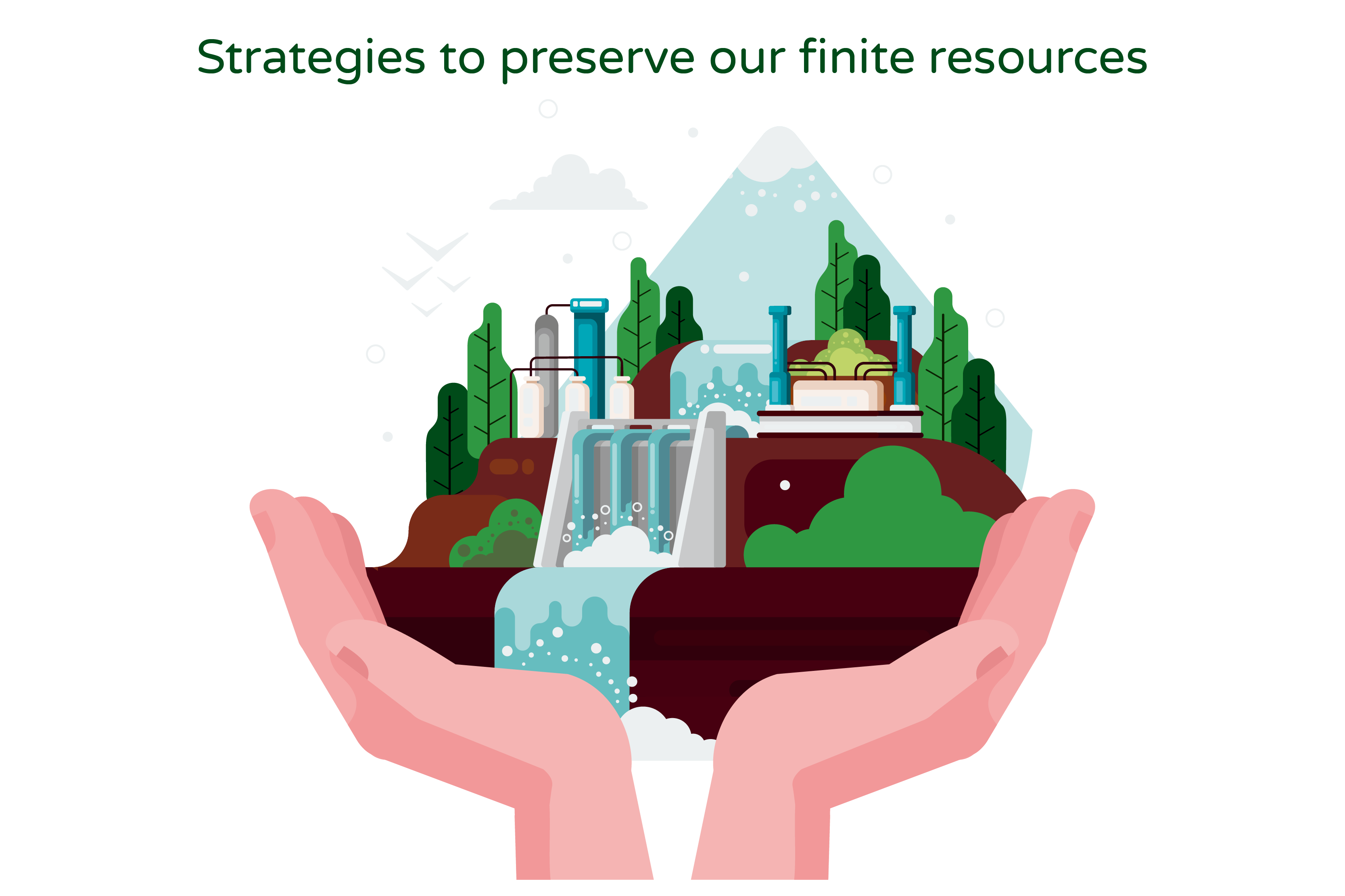
As a world leader, I would focus on combining economic prosperity with environmental protection. These goals aren’t opposites but partners that can strengthen each other through smart policies and innovative thinking.
Balancing trade and environmental sustainability
I would implement trade policies that reward sustainable practices. Countries with strong environmental protections would receive preferential trading terms.
Key reforms I would introduce:
- Carbon border adjustments on imports from countries with weak climate policies
- Removal of tariffs on environmental goods and services
- Financial support for developing countries to meet sustainability standards
This approach prevents businesses from moving to regions with weaker regulations. It also helps create a level playing field where sustainability becomes economically advantageous rather than costly.
The most successful economic development goals can balance with environmental conservation through thoughtful planning and decision-making.
Adopting green economy models
I would transform our economic framework to prioritise sustainable growth. This isn’t about limiting prosperity but redefining it.
The green economy model I propose would:
- Measure success beyond GDP to include wellbeing indicators
- Create tax incentives for circular business models
- Invest heavily in renewable energy infrastructure
- Support research into sustainable technologies
These changes would help decouple economic growth from environmental degradation, creating jobs while protecting our planet. Ambitious climate policies would guide this shift, ensuring that we consider biodiversity protection policies and ecosystems in every decision.
Green economic activities generate less waste and use fewer resources. They create meaningful work while preserving ecosystems for future generations.
Promoting material and energy efficiency
I would make efficiency the cornerstone of my resource policy. Using less to produce more benefits both businesses and the environment.
My efficiency strategy would include:
- Mandatory product lifecycle assessments for manufacturers
- Public procurement requirements favouring resource-efficient products
- Grants for efficiency upgrades in homes and businesses
- Research funding for material innovations
These measures would reduce our demand for resources and new production of materials while maintaining quality of life. I would create economy-wide material flow accounts to track progress.
I would also encourage the sharing economy, which maximises the use of existing products. When cars, tools and spaces are shared, we need fewer new items.
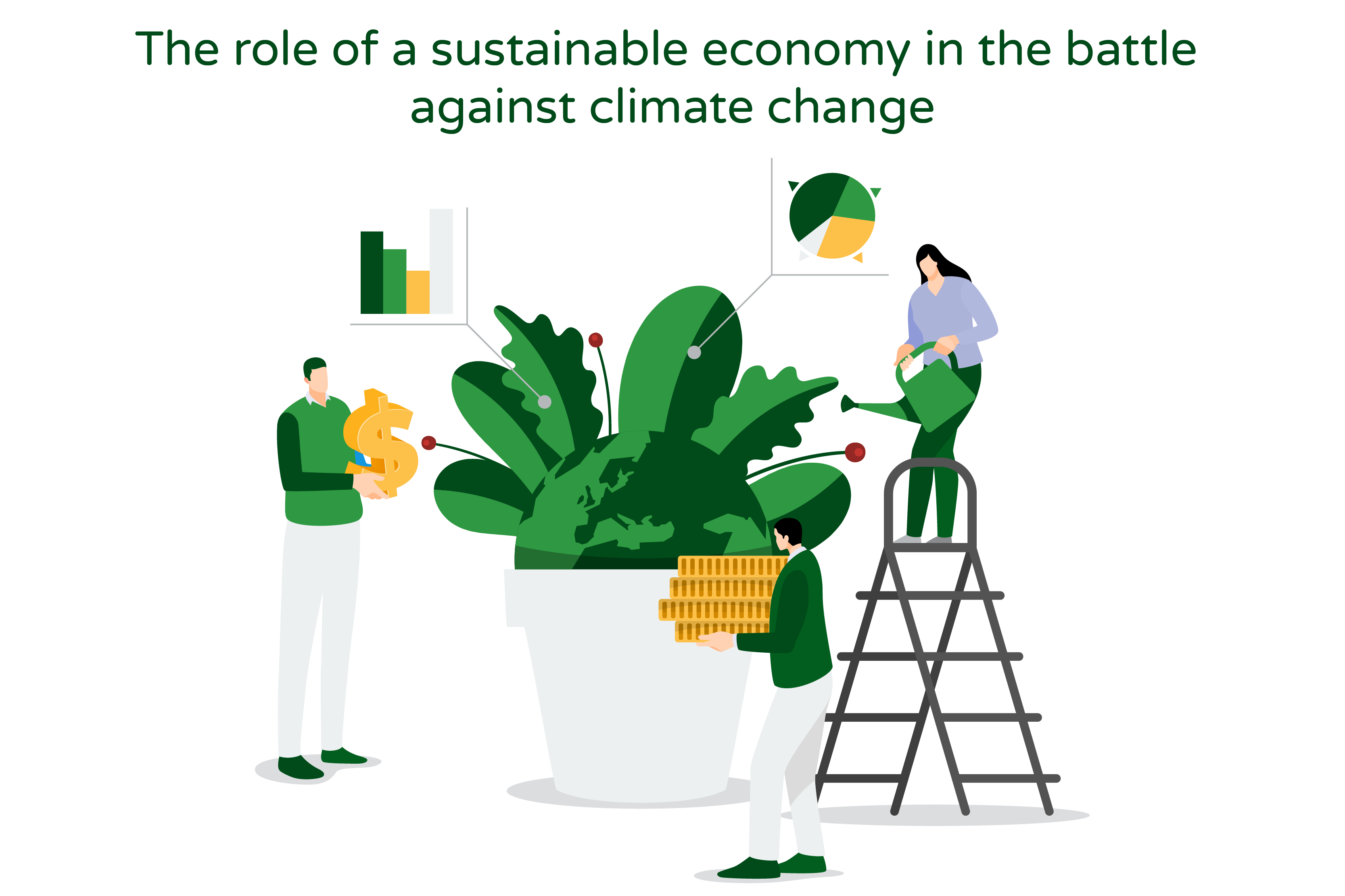
Energy technologies that cut waste would be vital in city economy, especially buildings and transport, to meet the growing demand for biomass for energy purposes and avoid future resource pressures. By embracing green energy choices, we can unlock enormous opportunities for innovation and job creation.
Collaboration and policy innovation for resource efficiency
Creating major shifts in efficiency requires cooperation across borders and innovative policies. Key changes must happen in how countries work together, how finance is organised and which sectors receive priority attention.
Fostering international cooperation
I would start by establishing stronger global partnerships based on shared goals. Many resource efficiency challenges require coordination beyond national borders.
I’d push for:
- Regular high-level summits focused on resource governance
- Shared technical standards for measuring efficiency
- Joint research programmes between developed nations and low-income countries
- Knowledge exchange platforms for best practices
Multilateral trade rules would be reformed to include resource efficiency criteria. This means setting minimum standards for imported goods and removing tariffs on sustainable products.
The gap between wealthy and poor nations must be addressed. I’d establish technology transfer programmes to help developing economies leapfrog to efficient production methods.
Reforming finance and trade for sustainability
The financial system needs a complete transformation to support resource efficiency. Traditional measures of economic success often ignore the real costs of environmental depletion. I would introduce:
- Green credit systems that offer better terms for resource-efficient projects
- Mandatory environmental risk assessments for all investments
- Reformed trade policies to prioritise circular economy principles
The finance sector has massive untapped potential to drive change. I’d require banks to allocate percentages of their portfolios to resource efficiency projects.
Foreign Direct Investment flows would be redirected through policy incentives. Companies investing in resource-efficient practices would receive tax benefits, fast-tracked approvals, and regulatory support. This shift in finance and trade would help lay the foundation for a greener economy.
Trade flows present key opportunities. I would develop a combination of resource efficiency approaches within a comprehensive package of policy options, including:
- Border carbon adjustments
- Efficiency standards for imports
- Elimination of harmful subsidies
Targeting critical sectors and technologies
Not all sectors have equal impact. I would prioritise the most resource-intensive industries first, with tailored abatement strategies to achieve maximum reduction potential.
Sectors such as metal production, construction and food systems would receive focused attention. Innovations, including advanced product design and digital platforms for efficient material flow, would be fast-tracked.
Priority Sectors:
| Sector | Key Policy Approach | Expected Impact |
|---|---|---|
| Metal production | Mandatory recycling targets | 40% reduction in virgin material use |
| Construction | Material passports for buildings | 30% waste reduction |
| Food systems | Supply chain optimisation | 25% less resource consumption |
Green innovation would be accelerated through targeted funding. I would create innovation hubs focused on specific resource challenges. Mineral resource governance would also be a priority, ensuring long-term supplies of crucial materials for future prosperity.
Reports from organisations like the European Environment Agency show that incremental changes aren’t enough. I’d implement bold policies like mandatory product longevity standards and repair requirements.
Technologies with transformative potential would receive special attention. Digital platforms for tracking material flows, advanced recycling technologies, and biomimicry approaches would be fast-tracked.
Final thoughts
If I had the privilege to shape global policies, my primary goal would be to embed resource efficiency into every decision. By treating our planet like a carefully managed banquet—respecting ecological limits, minimising waste, and ensuring fair access—we could preserve nature’s wonders for generations to come.
Resource efficiency is not just an environmental goal; it is a direct path to economic resilience, global collaboration and healthier lives for all. From mandatory material flow accounts to robust recycling initiatives, each step brings us closer to a comprehensive life-cycle approach where we do more with less. The choices we make now define our future and the potential of land and resources for those who follow.
Additional resources
For anyone interested in going deeper, look for previous reports from respected bodies like the United Nations or a flagship report that examines how evidence-based policy formulation can guide resource use. These sources often cover methodology of measurement, best practices in natural resource management and ways to adapt our systems of production to respect planetary boundaries.
- United Nations Environment Programme (UNEP):
https://www.unep.org
UNEP’s website provides reports, data, and initiatives focused on global environmental issues, including resource efficiency. - International Resource Panel (IRP):
https://www.resourcepanel.org
Hosted by UNEP, the IRP offers scientific assessments and policy recommendations on sustainable resource management. - European Environment Agency (EEA):
https://www.eea.europa.eu
The EEA publishes data, indicators, and insights on Europe’s environment, covering topics such as resource use, climate change, and biodiversity. - Intergovernmental Panel on Climate Change (IPCC):
https://www.ipcc.ch
The IPCC produces comprehensive assessment reports on climate science, which include aspects of mitigation and sustainable resource use. - World Resources Institute (WRI):
https://www.wri.org
WRI is a global research organisation offering data tools, expert analysis, and policy suggestions related to climate, energy, and resource management.