


Lithium mining has become a focal point of debate as the world shifts towards renewable energy. The lightweight metal is crucial for manufacturing rechargeable lithium-ion batteries, which power everything from smartphones to electric vehicles.
Understanding the advantages and disadvantages of lithium mining is essential for a sustainable energy transition

The benefits of lithium extraction range from economic growth to supporting a transition to green energy sources. However, environmental concerns and the socio-economic impact on local communities are significant.
Mining activities require vast amounts of water and can destroy habitats, creating serious environmental costs. The societal implications can be equally complex, as mining can create jobs while also disrupting local economies.
Key takeaways
- Demand for lithium resources is increasing as it is a critical meta for renewable energy technologies.
- Mining practices can lead to environmental damage and socio-economic issues.
- Balancing pros and cons is critical for sustainable use.
Lithium mining overview
Lithium mining is an essential process that involves extracting metal from various sources to meet the growing demand for battery production. Key to sustainable energy advancements, lithium provides the foundation for rechargeable battery technology.
Global lithium supply
Lithium sources are widely distributed across the globe with significant deposits in:
- South America: The ‘Lithium Triangle’ (Argentina, Bolivia, Chile) is renowned for their vast salt flats, which hold a large percentage of the world’s lithium brine deposits.
- Australia: Leading in lithium production, Australia primarily extracts the mineral from hard rock mines.
- China: Home to both brine and hard rock sources, China is a major player in the lithium market.
- Nevada: The state contributes to US lithium production with deposits found in brine.
Extraction methods
Depending on the source, lithium is extracted through different methods:
- Brine sources: Involves pumping the brine into pans, allowing the evaporation of water under the sun, then processing the remains for lithium.
- Ore and hard rock: The traditional mining technique of digging up lithium-containing minerals and processing them to separate the lithium.
Each method has its pros and cons. Brine extraction is more cost-effective but has potential environmental impacts, while hard rock mining requires more energy but often occurs in regions with stricter environmental regulations.
Benefits of lithium extraction
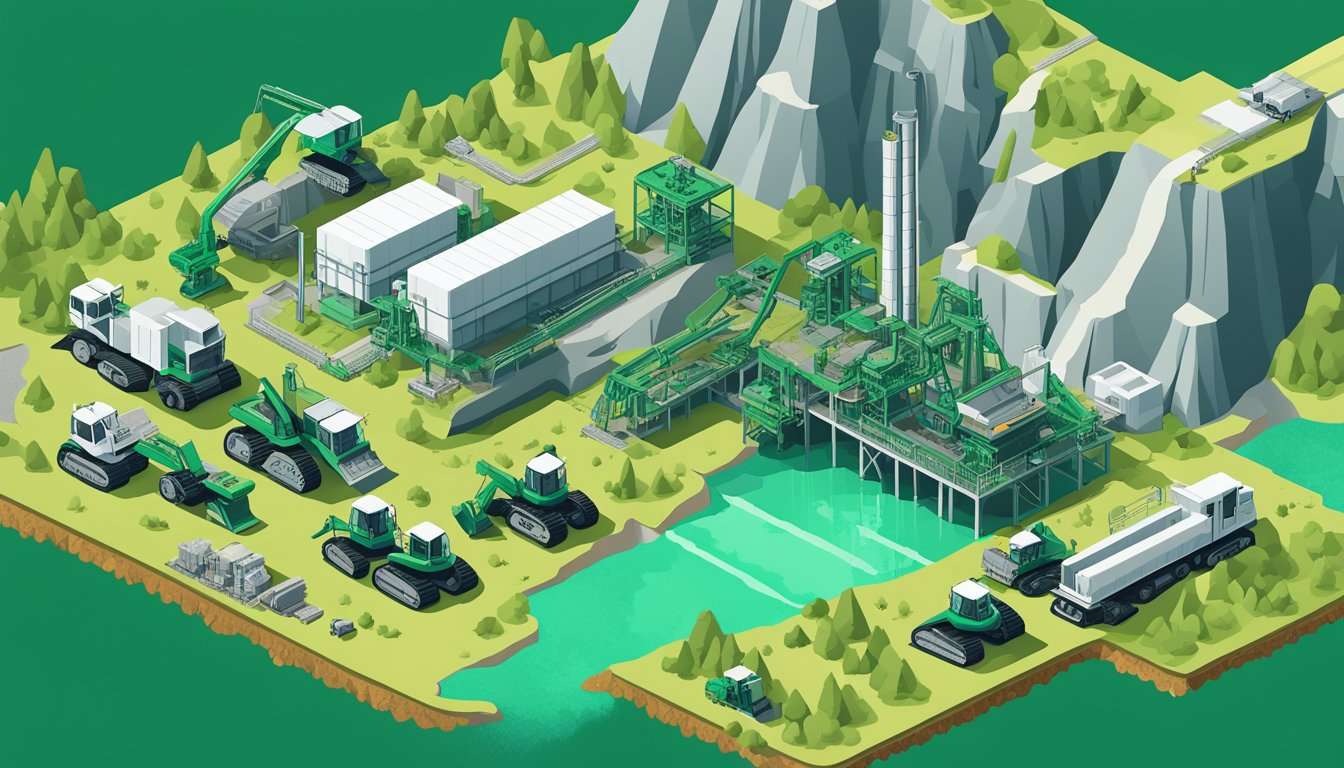
Extraction is crucial in propelling us towards a future that champions clean energy and sustains economic vigor. The metal is used across various domains, from powering electric vehicles to boosting technological frontiers.
Advancement in clean energy
Lithium, often termed “white gold,” is fundamental in driving the clean energy revolution.
- Lithium-ion batteries are the linchpins in energy storage systems, enabling the broader usage of renewable energy sources.
- They power electric vehicles, contributing significantly to reducing carbon emissions and, thus, slowing climate change.
Economic growth
Mining for lithium can usher in economic development.
- Nations rich in lithium reserves experience a surge in job creation and foreign investments.
- As extraction germinates avenues for ancillary businesses, from refining to battery manufacturing, local economies benefit.
Technological innovation
Innovation in the lithium industry keeps pace with the progress of technology.
- Advanced methods for lithium recovery catalyse efficiency in lithium batteries, extending their life and efficacy.
- Such innovations provide the foundation for next-generation lithium-ion batteries, essential for high-tech devices and energy systems.
Environmental challenges
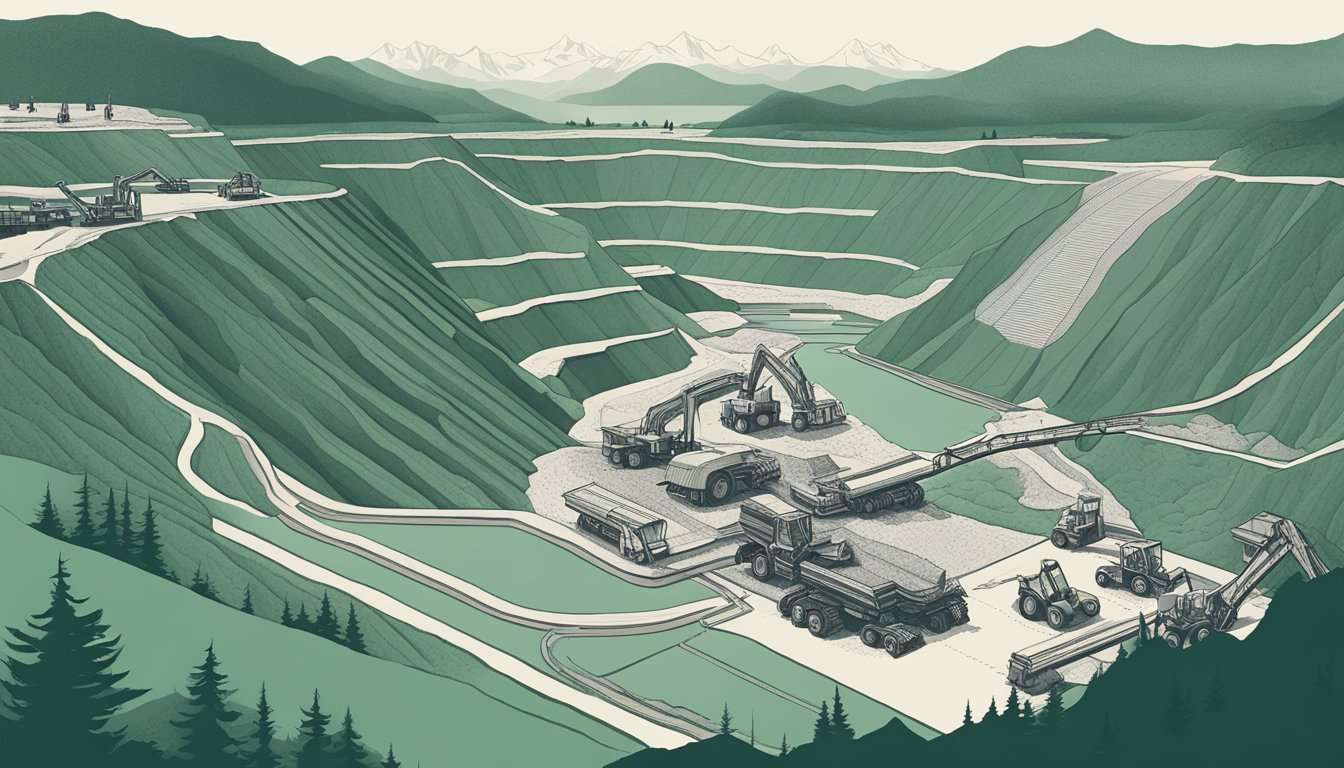
The environmental footprint of lithium mining reveals a complex picture where water sources, ecosystems, and climate change interconnect.
Impact on water resources
Lithium extraction, particularly from brine sources, can result in significant water depletion and contamination risks, affecting local ecosystems. This can produce harmful by-products that, if not managed properly, may lead to soil and water pollution.
This process can:
- Lower freshwater levels in nearby aquifers, posing risks to regional water supplies
- Lead to water contamination affecting both drinking water and aquatic wildlife
Land degradation and biodiversity
Mining leads to:
- Disruption of soil structure which can affect plant life and, consequently, local animal habitats
- A potential decrease in biodiversity, as mining operations can lead to habitat loss for wildlife
Carbon footprint of lithium mining
Although crucial for renewable energy solutions, lithium has its own carbon footprint. This part of mining primarily contributes to:
- Carbon dioxide emissions from the use of fossil fuels in mining operations
- Increased carbon emissions from transportation to production facilities
Societal and economic impacts
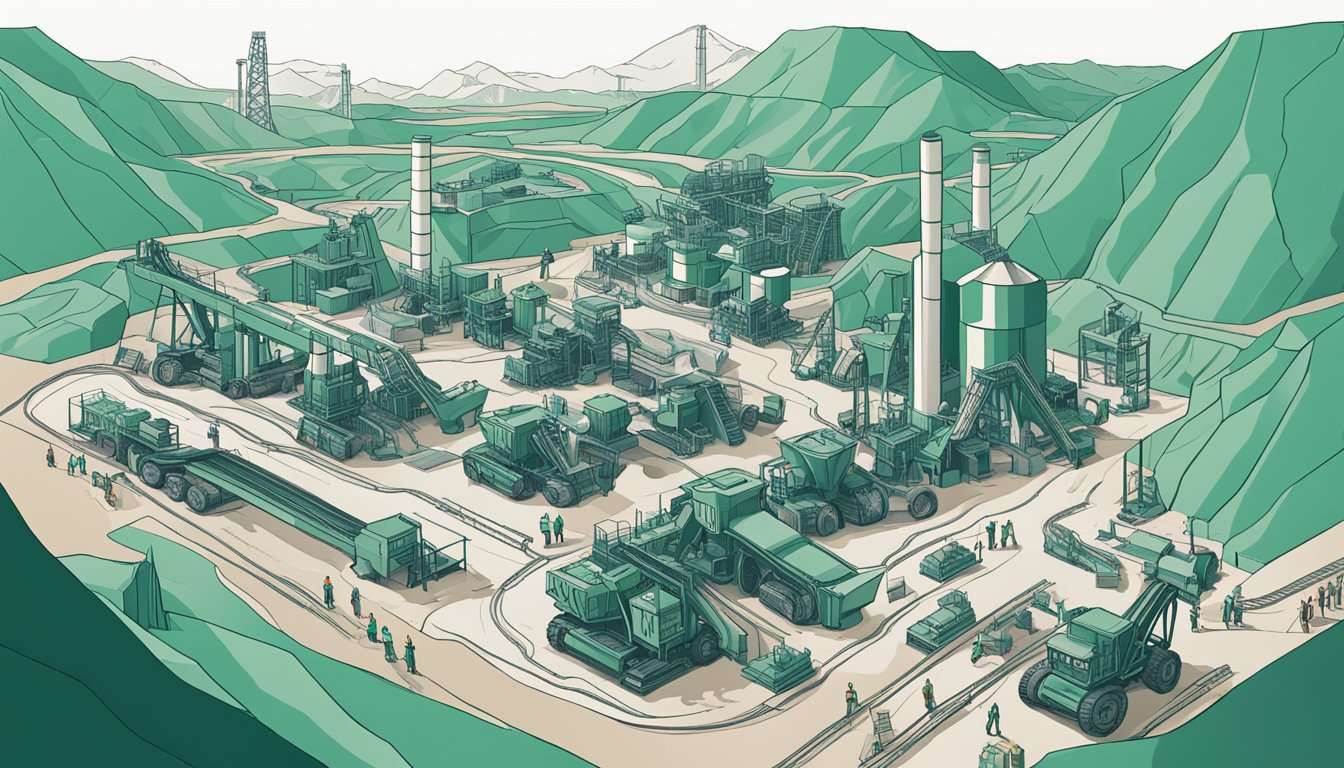
Mining has notable effects on society and the economy. It shapes local communities and significantly alters labour conditions.
Effects on local communities
Mining operations can bring both benefits and challenges to local communities. Investment in infrastructure and job creation may occur, yet these advancements can come at a cost.
- Indigenous communities may experience disruptions to their way of life.
- A shift in local governance may occur, prioritising mining interests.
- Demand for lithium can drive rapid changes, sometimes at the expense of social equilibrium.
Labour and working conditions
The workforce in lithium mines plays a critical role in maintaining the supply chain for a global market hungry for this resource.
- Workers are often faced with demanding conditions and the need for robust safety practices.
- Workers in lithium mines can face health risks due to exposure to toxic chemicals and dust. There are also physical dangers related to mining equipment and the structural integrity of mine sites.
- Employment opportunities may increase, but these can be offset by concerns over fair labour practices and adequate compensation.
Challenges and risks
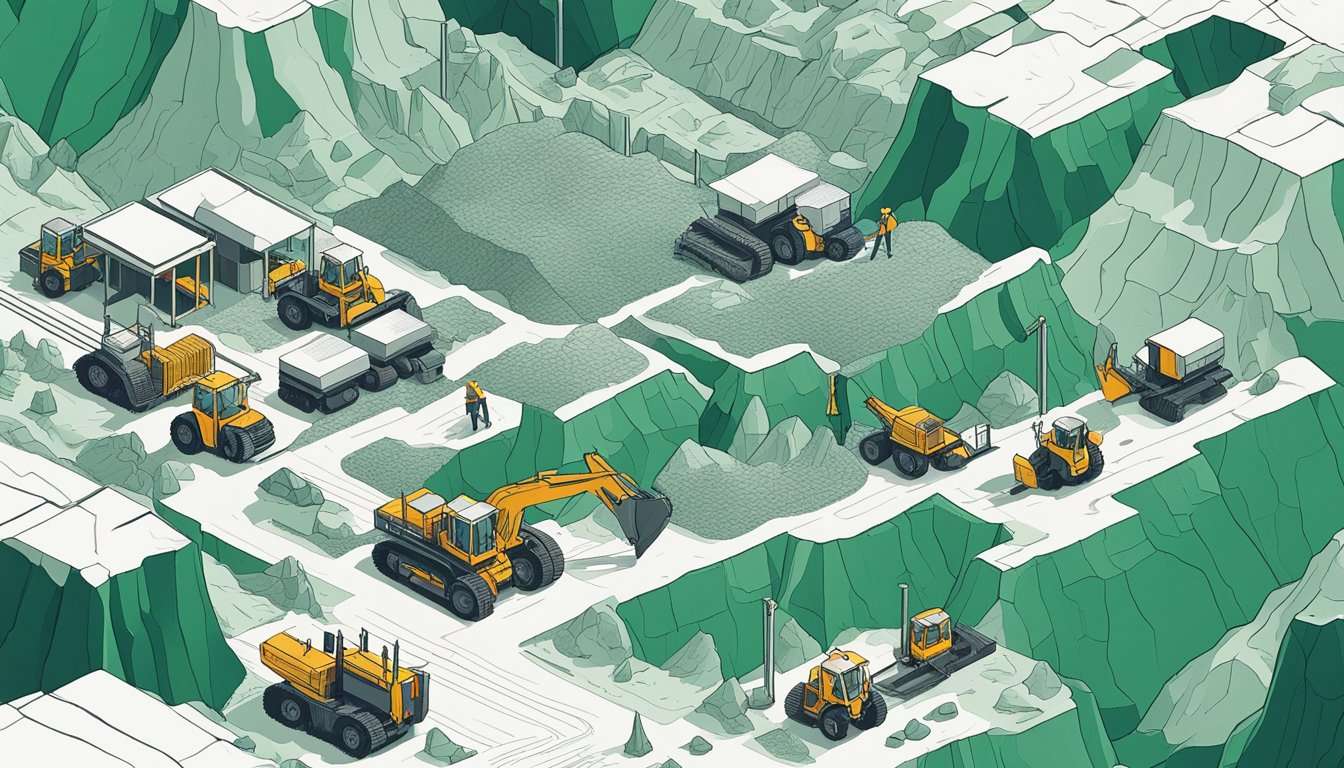
When exploring the landscape of lithium mining, it is important to consider three main concerns:
- Geopolitical tensions
- The full lifecycle of lithium production
- The intricacies of global supply chains
Each of these factors carries its own weight and complexity.
Geopolitical factors
Several key players dominate the lithium market, namely China, the United States, and countries in Europe. They wield great influence in terms of governance and market control. This state of affairs leads to:
- Potential geopolitical tensions that can disrupt supply chains
- A tug-of-war for market leadership that could inflate prices or create scarcity
Sustainability and lifecycle
The environmental aspect of the lithium mining industry is pivotal. It’s not just about the here and now; it’s about the ripple effects across time. This encapsulates:
- The importance of sustainability practices from extraction to end-of-life
- Efforts to establish a circular economy, boosting recycling and reducing waste
Dependency and supply concerns
Countries worldwide grapple with a dependency on lithium for technological advancement. Within this matrix of dependency, the risks loom large with:
- Europe and the United States aiming to reduce reliance on imports
- The necessity for robust and resilient supply chains to avoid bottleneck scenarios
Future directions
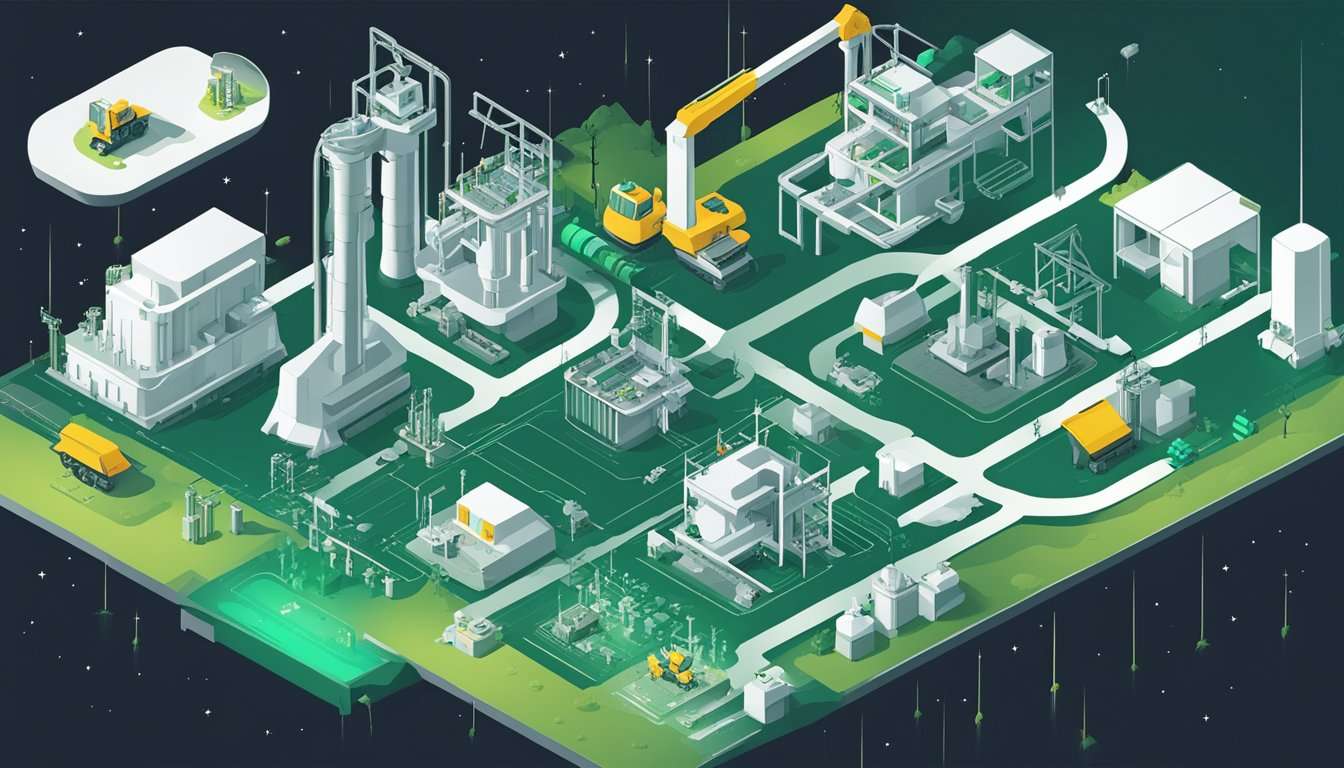
With the continued push for clean energy technologies and transport electrification, lithium’s role in the energy system is evolving rapidly.
Innovations in energy storage solutions, battery technology and policymaking shape how lithium is used and sourced.
Emerging technologies
- Innovations in battery technology: Lithium remains paramount in developing high-efficiency, long-lasting batteries. They are looking at electric vehicles (EVs) with larger battery sizes and enhanced cycling capabilities, allowing for longer drives between charges.
- Advances in extraction: Scientists are working on direct lithium extraction methods that could increase supply with minimal environmental impact, supporting the principles of a circular economy.
Summing up the pros and cons of mining lithium
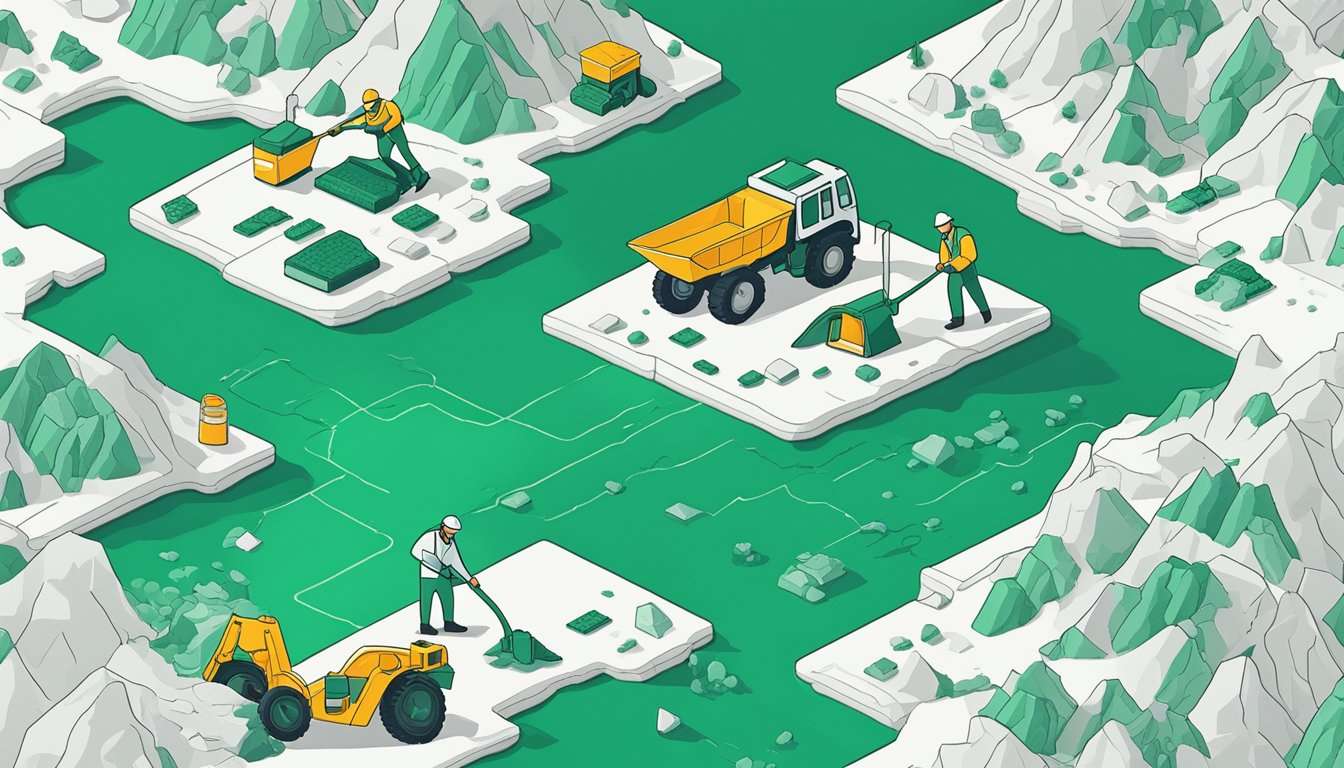
In a landscape where green technologies are vital for a sustainable future, lithium has become increasingly prominent.
It is key in storage systems for renewable energy and has significant implications for the environmental and economic realms.
The ongoing development of lithium is a story of finding a balance between economic benefits and environmental concerns.
While lithium mining operations have the potential to contribute to a greener future, it’s important to proceed cautiously to ensure that the solution doesn’t create more problems than it solves.