


Understanding biomass energy
Biomass energy is a renewable energy source derived from organic materials like food waste, woody biomass, animal waste, crop residues, and forest stands.
Biomass for energy production is a key part of the world’s growing portfolio of renewable energy sources. This alternative energy source harnesses carbon dioxide absorbed by plants during photosynthesis (turning that dioxide into oxygen). It uses the inherent energy stored in leaves, stems, or other materials in biomass energy.
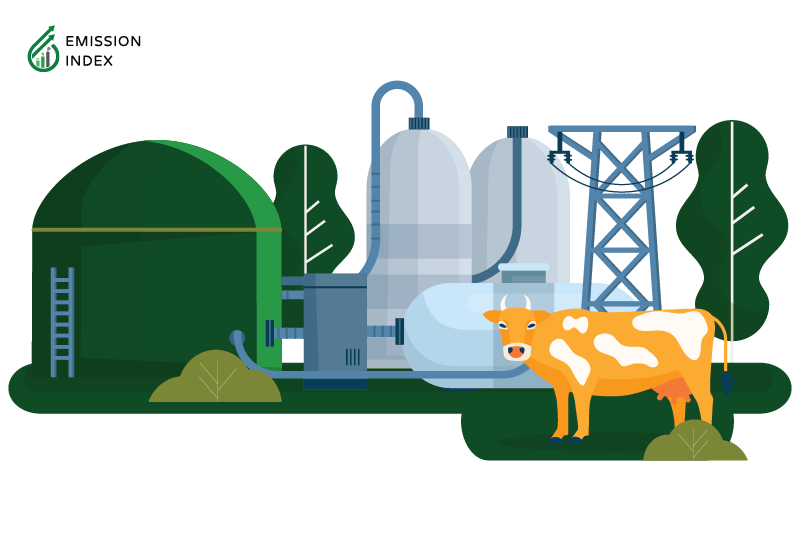
Typical feedstocks include perennial energy crops grown specifically for fuel, industrial waste products, the wood processing residues sector (e.g., black liquor), and household waste.
In fact, agricultural residues are the largest source of feedstock in certain regions, while North America is a largest producer of woody biomass for heat and electricity production. Some energy crops thrive on marginal land that is unsuitable for conventional food crops, reducing direct competition with arable land.
How biomass converts organic material into energy
- Direct combustion: Burning biomass fuel (such as wood chips or wood pellet products) for heat or electricity generation.
- Anaerobic digesters: Break down organic waste in the absence of oxygen to create biogas, which is useful for heat or electricity.
- Thermal conversion: Processes like pyrolysis or gasification transform biological material into gaseous fuels or liquid biofuels.
- Liquid biofuel production: Fermenting crops (e.g. sugar cane, palm oil, or food crops) to produce liquid biofuels such as biodiesel or ethanol, which can power vehicles and industries.
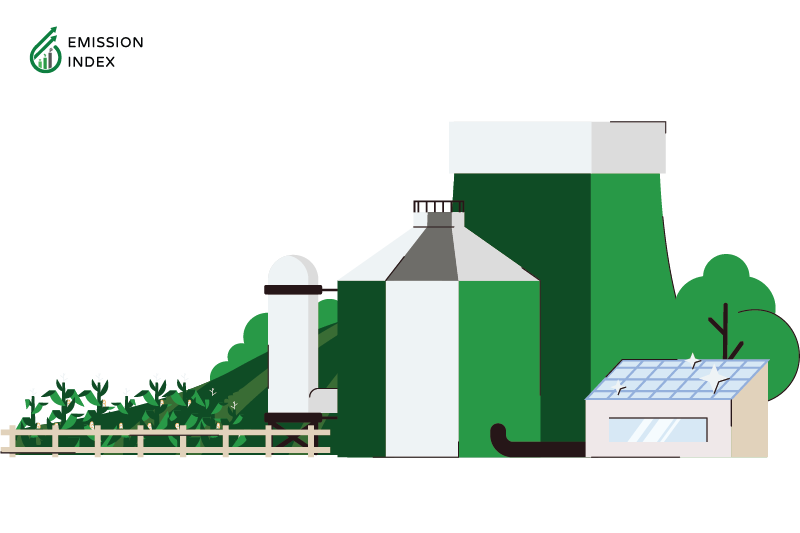
Pros: why biomass has enormous potential
1. Renewable and can be carbon neutral
With sustainable land management, biomass can approach carbon-neutral status because plant regrowth offsets the carbon dioxide released during combustion. (Though this balance assumes careful impact on land management). Some systems even yield greenhouse gas emissions savings, particularly when combined with carbon capture technologies.
2. Reduces waste and provides financial savings
Converting food/crop waste, and other residues into energy lowers landfill use and cuts methane release. Continuous improvement in waste handling can lead to overall financial savings for municipalities and industries. Black liquor from the wood processing industry is also repurposed as a fuel, minimising waste products.
3. Versatile feedstocks and marginal land use
Energy from biomass can come from perennial energy crops grown on marginal land, sparing prime acres of farmland for food production. Woody biomass from forestry or forest stands serves as a steady energy supply, and animal waste or industrial waste can feed into anaerobic digesters for biogas production.
4. Supports local economies
Developing biomass energy creates jobs in harvesting, transport, and deployment of bioenergy technologies. In rural areas, dedicated energy crops may boost income on land previously underused. This can meet rising energy demand while promoting economic growth, particularly in regions where biomass is the largest source of renewable energy.
5. Potential for negative emissions
Some biomass power plants aim to reduce greenhouse gas emissions beyond neutrality. Energy at scale could remove more than it emits if combined with carbon capture and reforestation, ultimately leading to negative carbon emissions under the right conditions.

Cons: efficiency limitations and other drawbacks
1. Land competition and indirect land use
If forests or other natural habitats are converted as a source of energy crops, the high demand for biofuel crops can drive land degradation.
Indirect land use changes increase environmental impacts and reduce sustainable potential. Planting palm oil or sugar cane for fuels in fragile ecosystems can negatively impact biodiversity.
2. Lower energy density
Many biomass materials have a lower energy density than fossil fuels, so more fuel is needed to produce the same energy unit. This increases transport costs and can reduce overall efficiency. This inefficiency limits biomass energy from fully competing with conventional power in some cases.
3. Air pollution concerns
Even though biomass is considered more climate-friendly than coal plants, biomass releases carbon monoxide and particulates and can produce nitrogen oxides.
This contributes to air pollution and poses risks to environmental health. Indoor air quality is a particular concern, as cooking fires rely on unprocessed biomass.
4. Supply chain and seasonal constraints
Transporting bulky woody biomass, liquid biofuels, or leftover food waste can be logistically challenging, especially across large distances. Seasonal variations in harvest times also affect feedstock availability, making energy through photosynthesis less predictable than some other renewable energy sources.
5. High initial costs and uncertain returns
Building and maintaining biomass power plants or energy plants requires investment in specialised machinery, supply chain infrastructure, and knowledge. These costs can escalate beyond more established methods. If policies shift or fossil fuel prices drop, the economics of biomass may falter, limiting biomass energy capacity expansion.
Summing up the advantages and disadvantages of biomass energy
Biomass remains a pivotal renewable energy option with the potential for greenhouse gas emissions, energy demand coverage in rural areas, and financial savings from waste reuse.
When grown on marginal land or using food crops and food waste efficiently, energy from biomass can boost local economies and power vehicles through liquid biofuel production. However, poorly managed cultivation can lead to land degradation, negative impact on ecosystems, and uncertain climate benefits.
It will be crucial to balance continuous improvement in thermal conversion technologies, responsible impact on land management, and public awareness of renewable energy sources. By understanding both the advantages and limits, stakeholders can better harness biomass fuel as a practical, if imperfect, driver of the energy transition.

Thanks for this! very accurate and helpful