

What is slash-and-burn agriculture and can it be sustainable?
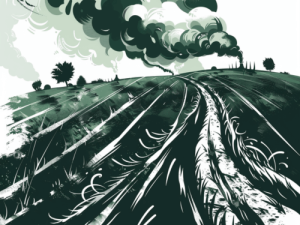
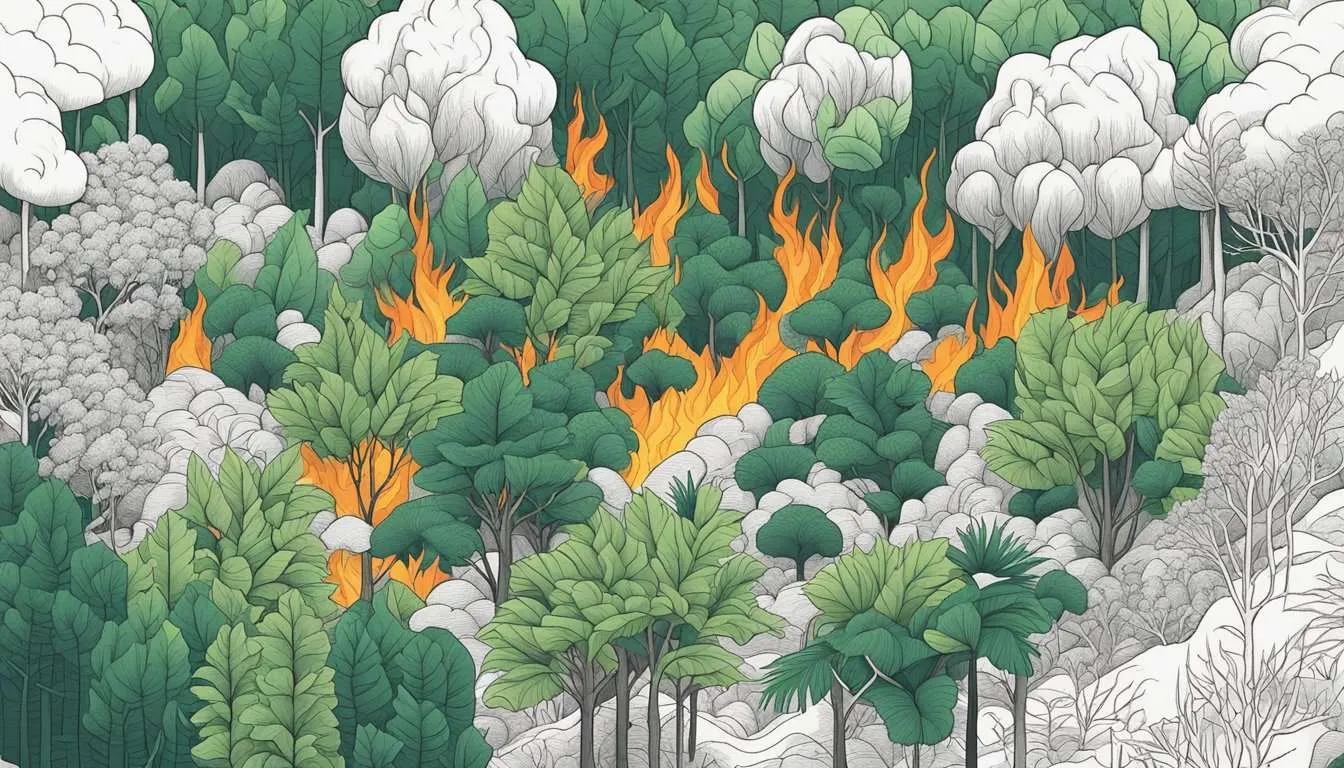
Slash-and-burn agriculture is a form of agriculture in which vegetation is cut down (“slashed”) and burned to clear land for cultivation. Historically, this approach has been practised across tropical forests and, in some cases, coniferous forests, dating back as early as the 19th century. The ash left behind temporarily enriches the soil surface with minerals, improving soil properties for short-term crop growth.
While slash-and-burn can boost soil nutrients initially, it also has broader effects on ecosystems. This ranges from forest loss and damage to old-growth forests to changes in animal populations and overall biotic effects.
The practice remains common due to economic necessities, population densities, and land use practices – particularly in remote regions. However, as we move further into the 21st century, balancing sustainability with food security becomes increasingly crucial.
Topics covered
- Sustainable alternatives: Techniques that reduce emissions and protect forest ecology
- Environmental impacts: Deforestation, habitat destruction, and the significance of secondary forest regeneration
- Role in subsistence and smallholder farming: Supporting communities while recognising potential drawbacks
Definition and key principles
Slash-and-burn cultivation
Slash-and-burn cultivation is widely associated with shifting cultivation, where land is farmed for a short period and then left to regenerate. Following the burn, the enriched soil properties support crops.

Over time, if left fallow, a secondary forest can emerge, marking the start of forest succession or secondary succession. This regeneration is critical to maintaining biodiversity and allowing ecosystems to recover.
Short-term gains vs. long-term effects
- Risk of forest loss: Repeated burning, short fallow cycles, and high population densities contribute to permanent forest loss and reduced old-growth forest cover.
- Enhanced soil fertility: Initial burns boost soil nutrients (e.g., nitrogen and potassium) in the topsoil.
- Faster land clearing: Farmers can rapidly convert forest into agricultural land.
Environmental impacts: from local to global
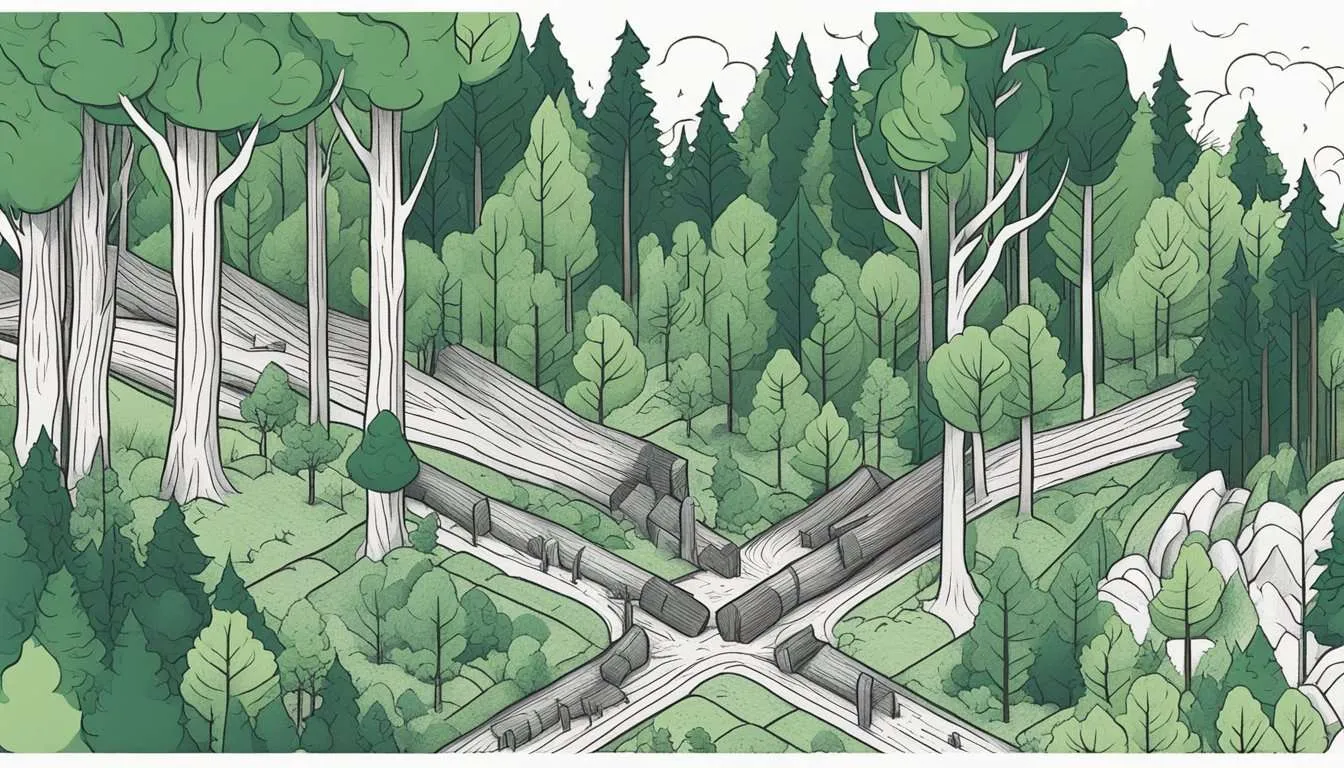
Deforestation and loss of old-growth forests
Old-growth forests, which can span thousands of square miles, store immense carbon and house complex animal populations.
When converted into grazing lands or fields for commercial agriculture, these ecosystems often experience legacy effects: permanent reductions in biodiversity, altered water cycles, and disrupted forest ecology.
Effects on animal populations and biotic interactions
Slash-and-burn disrupts biotic effects, such as predator-prey relationships and pollination networks. As trees are removed, animal populations may decline or migrate, pushing some species closer to extinction.
Soil degradation
Though slash-and-burn initially enriches the soil surface with ash, over-farming and minimal fallow times can exhaust soil fertility. Repeated fires may harden the topsoil or lead to significant nutrient run-off, undermining sustainable yields.
Societal context: a historical and modern perspective
19th–20th century shifts
Throughout the 20th century, rising population densities and economic demands spurred large-scale slash-and-burn cultivation. By the 21st century, concerns over forest loss and climate change prompted governments and international organisations to scrutinise these land use practices more closely.
Subsistence and smallholder farming
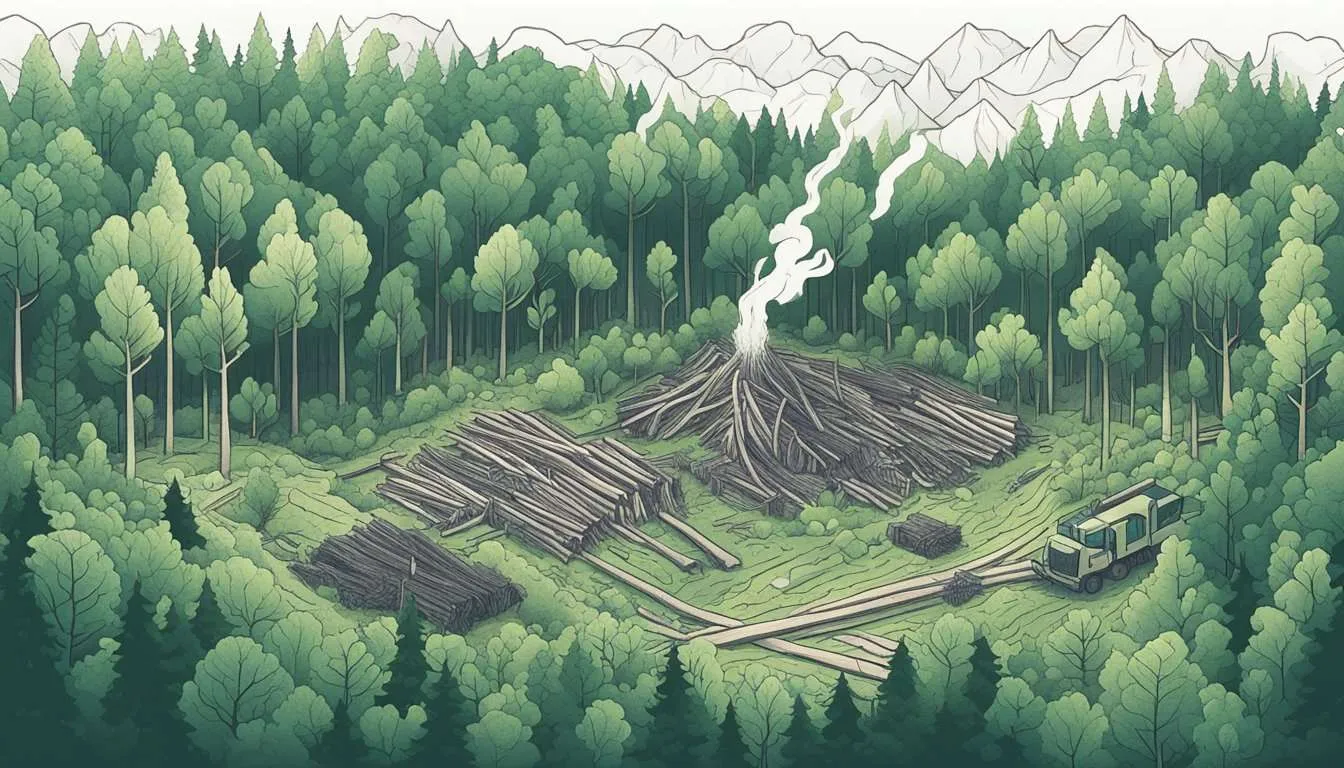
In many tropical regions, slash-and-burn remains a crucial survival strategy:
- Food security: Ensures a steady food supply for rural communities.
- Income generation: Surplus crops can be sold, supporting local economies.
- Adaptation to terrain: Slopes and remote areas not easily farmed by modern mechanised methods.
Papua New Guinea and other regional examples
In places like Papua New Guinea, shifting cultivation with slash-and-burn is integrated into cultural norms. In the Amazon, Amazonian Forest Fragments research reveals how partial clearing has long-term impacts on biodiversity and soil recovery rates.
Towards sustainable alternatives
Agroforestry and rotational farming
Shifting cultivation can transition to more sustainable methods that align with forest ecology:
- Agroforestry: Intercropping trees with annual crops to preserve biodiversity and maintain soil health.
- Controlled burns: Minimising fire spread and scheduling burns to protect secondary forest and prevent large-scale wildfires.
- Rotational farming: Allowing time for secondary succession so vegetation can regenerate, restoring habitat and maintaining soil nutrients.

Policy and legal framework
Local and international bodies have begun regulating slash-and-burn practices to mitigate environmental harm:

- Legislation: Many governments address slash-and-burn within broader commercial agriculture laws, restricting burning during certain seasons.
- Support for farmers: Incentives and training programmes encourage smallholders to adopt non-destructive land use practices.
- Compliance and penalties: Penalties for illegal or excessive burning serve as a deterrent, although enforcement can be patchy in remote areas.
Conservation, reforestation, and forest succession
Nature-based solutions such as reforesting degraded lands and secondary forest regeneration can significantly reduce slash-and-burn’s impact.

By allowing forests to recover, farmers preserve biodiversity while restoring soil properties and ensuring a longer-term supply of resources.
- Reforestation: Planting diverse species to accelerate forest succession and carbon capture.
- Protecting old-growth: Safeguarding old-growth forests from conversion prevents irreversible habitat destruction.
- Balancing livelihoods and ecosystems: NGOs often assist local farmers with training, seed distribution, and alternative income sources.
Summing up
Slash-and-burn agriculture is an age-old yet contentious form of agriculture. When timed with ample fallow periods, it can support smallholder farmers by revitalising soil nutrients for crop growth. However, repeated or widespread burning leads to forest loss, degraded soil properties, and compromised animal populations.
Transitioning to sustainable models—whether through extended fallow intervals, rotational farming, or agroforestry—can reconcile the effects of slash practices with modern conservation goals. Moreover, collaboration with indigenous communities, responsible land use practices, and robust legal frameworks are essential to maintaining healthy tropical forests for future generations.
By adopting these adaptive strategies and respecting shifting cultivation traditions while limiting legacy effects, we can ensure that slash-and-burn cultivation evolves to meet the environmental realities of the 21st century without undermining the livelihoods of those who depend on it.
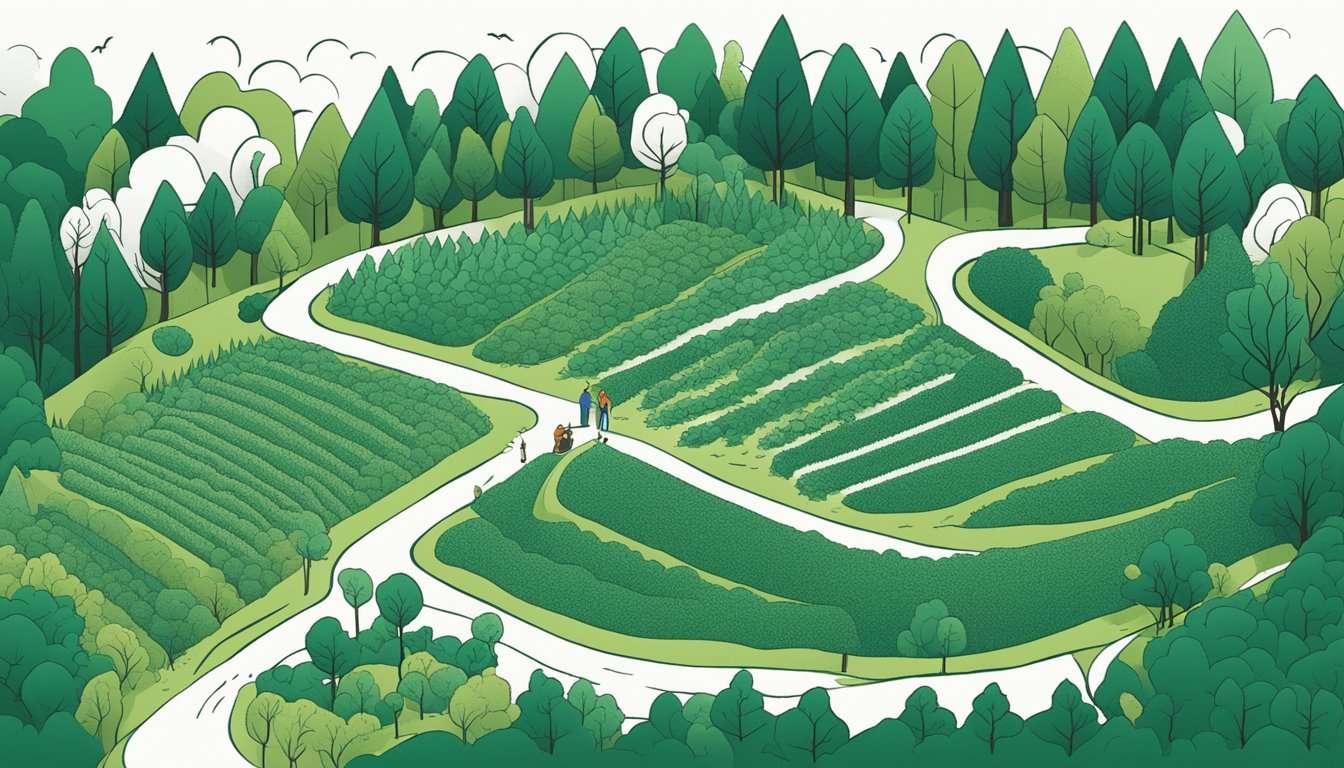
Key takeaways
- Soil surface & fallow periods: Burning releases nutrients, but repeated cycles without rest can deplete the land.
- Secondary forest & succession: Regrowth helps ecosystems recover, supporting biodiversity and reclaiming soil fertility.
- Policy & enforcement: Effective regulation, combined with education, can reduce harmful burning practices.
- Balancing needs: Sustainable slash-and-burn methods that limit forest loss preserve the value of old-growth forests and protect local communities’ future.
This integrated approach allows slash-and-burn to function as a shifting cultivation method without jeopardising forest ecology or accelerating land use conflicts. By bridging traditional practices with ecological knowledge, we can secure the resilience of both communities and forests far into the 21st century.

Greate article. Keep writing such kind of info on your page.
Im really impressed by your site.
Hey there, You have performed an excellent job. I will certainly digg it and personally recommend to my friends.
I’m sure they’ll be benefited from this website.